












Bank of Canada rate up to 2.5%: what it means for your mortgage before December 9
The Bank of Canada raised its policy rate by a quarter point on October 28, and the big banks' typical prime rate is now 4.70%. Here's what that costs on a variable mortgage, and how to handle a renewal.

50% of our commission goes to the charity or club you pick.Change
Pick a charity and we'll give them 50% of our commission.
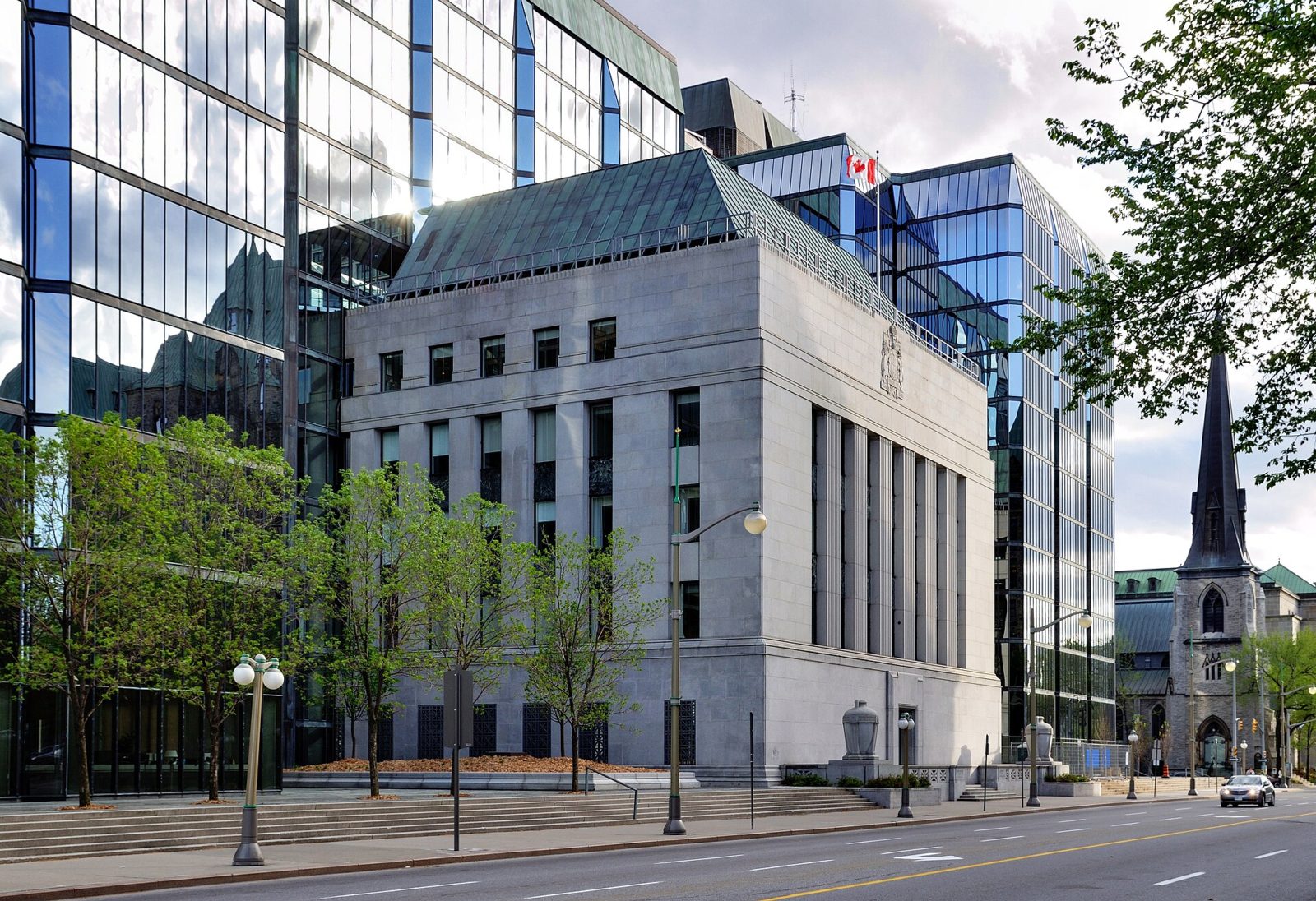
The Bank of Canada raised its policy rate by 0.25 percentage points to 2.5% on October 28, 2026. The Bank had cut to 2.25% on October 29, 2025, and this is its first change since. The next decision is due on December 9, 2026, and the Bank has said it could raise again.
What happened
The Bank says it raised the rate to reduce the risk that continuing high energy prices spread to the prices of other goods and services. Its October figures:
- CPI inflation has been around 3% since April and is expected to reach about 3.5% by the end of the year.
- Excluding gasoline, inflation was 2.2% in September, and core inflation measures remain close to 2%.
- Inflation is projected to stay around 3% through much of 2027 and return close to 2% by the middle of 2028.
- Unemployment has been around 6.5% for several months.
Governing Council members agreed there could be a need to raise the rate further, but said they would take decisions one meeting at a time. After December 9, the next Monetary Policy Report is due on January 27, 2027.
Who's affected
Banks set their own prime rates, but they follow the policy rate. The Bank of Canada's weekly table of the six big banks' posted rates shows the typical prime rate at 4.45% on October 28 and 4.70% on November 4 and November 11. That feeds straight through to:
- Variable-rate mortgages and home equity lines of credit priced at prime plus or minus a margin.
- Anyone renewing in the next few months, since renewal offers reflect current rates.
- Savers, on the other side: the same table shows a typical posted 1-year GIC rate of 2.45%.
If you have a fixed-rate mortgage mid-term, your rate doesn't change until renewal.
A worked example
Say you owe $400,000 on a variable-rate mortgage. A 0.25-point rise adds about $1,000 a year in interest on that balance, or roughly $83 a month ($400,000 × 0.25%). As you pay the balance down, the extra cost shrinks.
A $20,000 balance on a line of credit at prime plus a margin costs about $50 a year more for the same rise.
If the Bank raises again by the same amount on December 9 and your lender passes it on, those figures roughly double.
If your mortgage is up for renewal
The Financial Consumer Agency of Canada (FCAC) says federally regulated lenders, such as banks, must send your renewal statement at least 21 days before your term ends. It must show the balance at renewal, the interest rate, payment frequency, term and any fees. If the lender won't renew, it must tell you at least 21 days before the end of the term.
The FCAC's advice is to start shopping a few months ahead, not to wait for the letter. You don't have to renew with your current lender, and if you do nothing, renewal may be automatic. You may be able to negotiate a rate below the one in your letter by sharing competing offers.
What to do now
- Check your mortgage statement: is your rate fixed or variable, and when does your term end?
- If you're variable, work out what a 0.25-point rise costs on your balance, as above, and budget for one more before December 9.
- If you renew within the next few months, get quotes from at least two other lenders or a mortgage broker now.
- If switching, ask about discharge, transfer, appraisal and setup fees, and whether the new lender will cover them. The FCAC lists these as the usual costs.
- Be wary of stretching your amortization to cut payments. The FCAC warns it can add thousands or tens of thousands of dollars in interest.
Questions
Will my fixed-rate mortgage go up? Not during your term. The rate is fixed until renewal.
Does the renewal letter's rate change before renewal? The FCAC says the statement must say that the offered interest rate won't increase before your renewal date.
Is the Bank of Canada definitely raising again? No. It said there "could be a need" for more increases, and will decide one meeting at a time.
What about collateral charge mortgages? The FCAC says switching one can involve extra fees, and you'd need to repay or move every loan secured by the charge. Allow a few months.
Ways to save
Higher rates make the year-end tax-sheltered savings room more valuable. Our guide to the RRSP, TFSA and FHSA limits has the numbers. And if you're cutting monthly bills, our phone plan comparison sets the big carriers against their cheaper brands.
When you shop through Promo Magpie, part of the commission the shop pays us goes to the charity or club you pick. You pay the same price.
Sources: Bank of Canada, rate announcement, October 28, 2026, Bank of Canada, Policy interest rate, checked November 16, 2026, Bank of Canada, Posted interest rates offered by chartered banks, November 16, 2026, FCAC, Renewing your mortgage, November 16, 2026
More on your rights when you shop
The Thursday email
Every Thursday: the best codes from the brands you shop at. After you sign up, pick your brands and whether you want codes, hot deals, free delivery or student offers. No spam, unsubscribe in one click.