














"Was €700, now €500": the 30-day rule behind every Black Friday price in Ireland
When an Irish shop announces a price cut, the "was" price has to be the lowest price it charged in the 30 days before the sale. Here is how the rule works, and what to do when a Black Friday deal looks off.

50% of our commission goes to the charity or club you pick.Change
Pick a charity and we'll give them 50% of our commission.
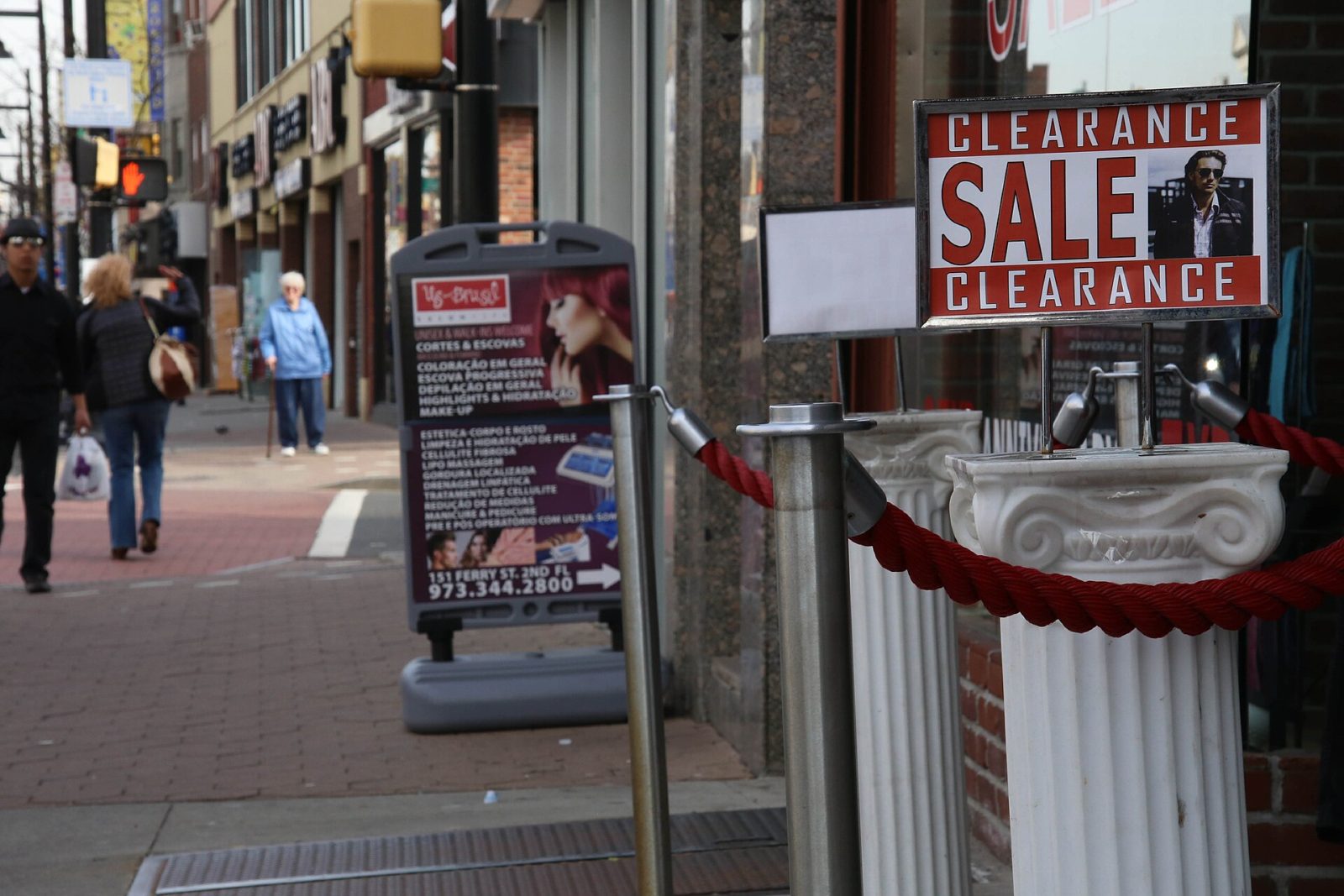
Black Friday falls on 27 November 2026, and the "was" prices are already appearing. In Ireland, the price a shop crosses out isn't a free choice. When a trader announces a price reduction, it must show the "prior price", and that prior price must be the lowest price it charged for the product in at least the 30 days before the cut.
What the law says
The rule comes from the European Union (Requirements to Indicate Product Prices) (Amendment) Regulations 2022, S.I. No. 597 of 2022, which added Regulation 5A to the 2002 price display rules. It says three things:
- Show the prior price. A trader that announces a reduction in the selling price or unit price of a product must show the prior price in that announcement.
- The prior price is the 30-day low. It means the lowest price the trader applied to the product during a period of not less than 30 days before the reduction.
- Step-by-step cuts don't reset the clock. Where a shop cuts the price more than once in a row, the prior price is the lowest price in the 30 days before the first cut.
The announcement must also be unambiguous and clearly visible, and breaking the rule is an offence.
The Competition and Consumer Protection Commission (CCPC) gives its own example: if a laptop is advertised as "was €700, now €500", it must not have been on sale for less than €700 in the 30 days before the sale started. The CCPC's guidance for businesses adds that any discount shown as an amount or a percentage off must also be based on that prior price.
A worked example
Take a winter coat. Say a shop sold it for €120 until 20 October, cut it to €90 from 21 October to 10 November, then put it back to €120. On Black Friday, 27 November, it advertises the coat at €80.
The 30 days before 27 November run back to 28 October. During that window the coat was on sale at €90, so the prior price the shop must show is €90, not €120. The real cut is €10, or about 11%. A sign saying "was €120, now €80, save 33%" would not meet the rule.
Now say the shop cuts the coat from €120 to €100 on 20 November and to €80 on 27 November, having charged €120 for the whole month before 20 November. Because the cuts are consecutive, the prior price for both is the lowest price in the 30 days before the first cut: €120.
What the rule doesn't cover
- It isn't a price cap. The CCPC says there are generally no price controls in Ireland, and a shop isn't breaking the law by charging more than a competitor.
- Price changes that aren't announced as reductions. The rule bites when a shop promotes a cut. The CCPC says dynamic pricing, where prices move with demand, isn't currently defined in Irish or EU consumer law and is generally not prohibited.
- A wrong shelf price. If a shop tells you before you pay that the displayed price is a mistake, you don't have an automatic right to the lower price. You can pay the higher price or walk away.
What to do now
- Start watching prices now on the few things you plan to buy. A screenshot with the date is enough. That gives you your own 30-day record by Black Friday.
- When you see "was" and "now", compare the "was" price with what you saw in late October and early November. If you saw it cheaper, the discount claim may be wrong.
- Judge the deal on the "now" price, not the percentage. A big percentage off an inflated "was" price is still the same final price.
- If a price claim looks misleading, complain to the business in writing. The CCPC has letter templates on its site.
- Report it to the CCPC through its "report a business" page, or call the consumer helpline on 01 402 5555. The CCPC says it can't take up individual cases, but reports feed its enforcement work.
Questions
Does the rule apply to online shops? The regulations apply to any trader announcing a price reduction to consumers, and the CCPC's guidance on misleading prices covers both shops and websites.
Do I lose my rights if I buy something in a sale? No. The CCPC says sale items carry the same consumer rights as full-price ones. If a fault shows up within 30 days you can get a full refund of the price you paid. The exception is a flaw you were told about before buying, such as a jumper reduced because of a tear.
Can a shop change its returns policy for the sales? Yes, for change-of-mind returns in a physical shop, which are a goodwill gesture. Faulty goods and the online cooling-off period are different: those are legal rights.
Ways to save
A genuine Black Friday price can still cost more than you expect if the order ships from outside the EU. Our guide to the new €3 customs charge and €2 handling fee explains what to check at checkout. And if a deal arrives broken, see your rights on faulty goods.
When you shop through Promo Magpie, part of the commission the shop pays us goes to the charity or club you pick. You pay the same price.
Sources: Irish Statute Book, S.I. No. 597 of 2022, checked 16 November 2026, CCPC, Pricing, 16 November 2026, CCPC, Pricing and price reductions (businesses), 16 November 2026, CCPC, Shopping in the sales, 16 November 2026, CCPC, Consumer rights FAQs, 16 November 2026
The Thursday email
Every Thursday: the best codes from the brands you shop at. After you sign up, pick your brands and whether you want codes, hot deals, free delivery or student offers. No spam, unsubscribe in one click.