














Warranty ran out after 12 months? The Consumer Guarantees Act can still cover you
A one-year warranty isn't the limit of your rights. Under the Consumer Guarantees Act, goods must last a reasonable time, and the shop has to put it right. Here's how it works before the Black Friday and Christmas rush.

50% of our commission goes to the charity or club you pick.Change
Pick a charity and we'll give them 50% of our commission.
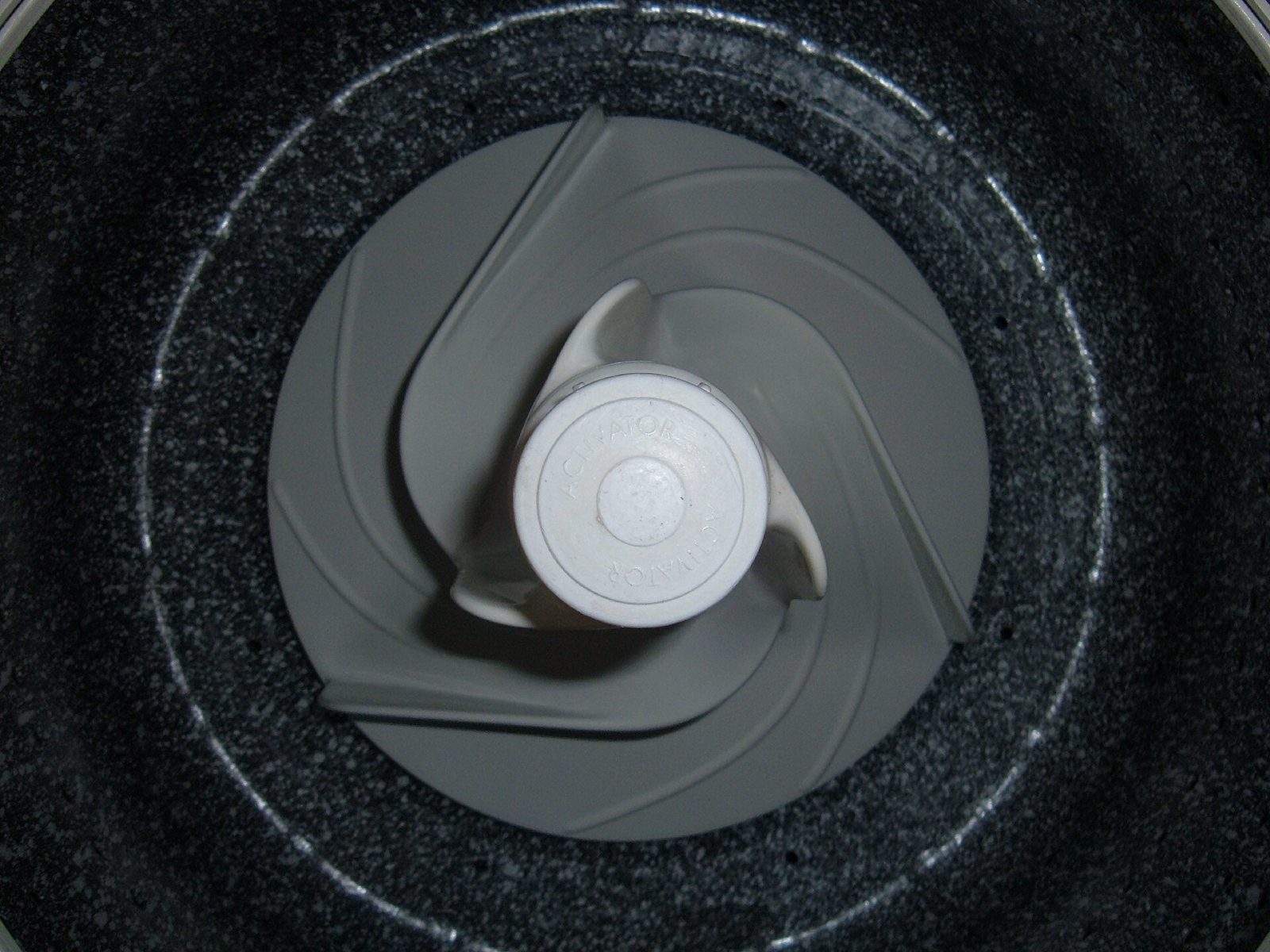
Your new washing machine dies at 13 months and the shop says the 12-month warranty has ended. That isn't the end of the matter. Under the Consumer Guarantees Act (CGA), goods you buy from a business in New Zealand must be of acceptable quality, and that includes lasting a reasonable time. Consumer Protection, part of MBIE, uses exactly this case as its own example: the buyer goes back to the retailer, points to the CGA, and gets a free repair.
With Black Friday on 27 November and Christmas shopping under way, here's what the law gives you, and where it stops.
What the CGA guarantees
When you buy goods from a business, they must:
- be of acceptable quality: safe, durable, free from defects and lasting a reasonable time;
- be fit for their purpose, including any purpose you discussed with the seller;
- match their description, whether that's an online listing, the packaging or a demonstration;
- be delivered on time, or within a reasonable time if no date was agreed.
These rights apply whether or not there's a warranty, and they can't be signed away. They also cover gifts, so the person you give a present to has the same rights you do.
Who has to fix it
Go back to the shop that sold it. Consumer Protection says you don't have to deal with the manufacturer or a repairer yourself, and a seller who tells you to may be misleading you about your rights under the Fair Trading Act.
If the fault is minor, the business can choose to repair, replace or refund, free of charge and within a reasonable time. If it's a failure of "substantial character", you choose: return it for a refund or replacement, or keep it and get compensation for the drop in value. A fault is substantial if a reasonable person wouldn't have bought the item knowing about it, if it's very different from its description, if it can't easily be fixed, or if it's unsafe.
You don't have to accept a store credit or a discount on something else. Consumer Protection says it's up to you whether such an offer is fair.
When the CGA doesn't help
- You've changed your mind. Any change-of-mind return is down to the shop's own policy.
- You misused or damaged the item, or you knew about the fault before buying.
- You bought from a private seller who isn't in trade, which can include some Trade Me and Facebook Marketplace sales.
Do you need an extended warranty?
Usually not. Consumer Protection says that because the CGA's guarantees are long-lasting, an extended warranty "probably isn't worth the cost" in most cases. It can add something if it covers accidental damage your contents insurance doesn't, or if you're buying for a business.
If you do buy one, you can cancel it within five working days of getting your copy and get the full price back. If the seller didn't give you full disclosure, you can cancel at any time, even after it has expired.
A worked example
Take Consumer Protection's own example from the Disputes Tribunal: a couple's hardwood outdoor furniture started falling apart three years after they bought it. The store said its warranty was two years and offered a credit for 50% of the price. The Tribunal decided the furniture wasn't fit for purpose and ordered a refund of the full cost. The store's warranty didn't limit what the CGA required.
What to do now
- Contact the shop, explain the fault and say which remedy you want: repair, replacement or refund.
- Put it in writing and mention the Consumer Guarantees Act and the "acceptable quality" guarantee.
- Give the shop a reasonable time to fix it. If it refuses or doesn't act, you can get it repaired elsewhere and claim the reasonable cost.
- If you can't agree, take it to the Disputes Tribunal, which hears claims up to $60,000 for a fee and without lawyers.
- If the shop misled you about your rights, report it to the Commerce Commission.
Questions
How long is a "reasonable time"? The law doesn't set a number of years. It depends on the kind of product, the price and what you were told. An expensive appliance should last longer than a cheap one.
Can a shop put up a "no refunds" sign? A shop doesn't have to refund you for a change of mind, but it can't take away your CGA rights for faulty goods.
Ways to save, and to protect yourself
Before Black Friday, read our guide to "was" prices and pricing errors, and if you're giving a voucher, our guide to the 3-year gift card rule and layby. We're adding New Zealand shops and promo codes to Promo Magpie now.
When you shop through Promo Magpie, part of the commission the shop pays us goes to the charity or club you pick. You pay the same price.
Sources: Consumer Protection, Consumer Guarantees Act, checked 16 November 2026, Consumer Protection, Warranties, checked 16 November 2026, Consumer Protection, Making a claim through the Disputes Tribunal, checked 16 November 2026, Consumer Protection, Know your rights when shopping online, checked 16 November 2026
The Thursday email
Every Thursday: the best codes from the brands you shop at. After you sign up, pick your brands and whether you want codes, hot deals, free delivery or student offers. No spam, unsubscribe in one click.