









































RBI repo rate up to 5.5%: what it means for your EMI before the December meeting
The RBI raised the repo rate by 25 basis points on 7 October and SBI passed it on to repo-linked loans from 15 October. Here's what a quarter point costs on a home loan, and what you can ask your lender for.

50% of our commission goes to the charity or club you pick.Change
Pick a charity and we'll give them 50% of our commission.
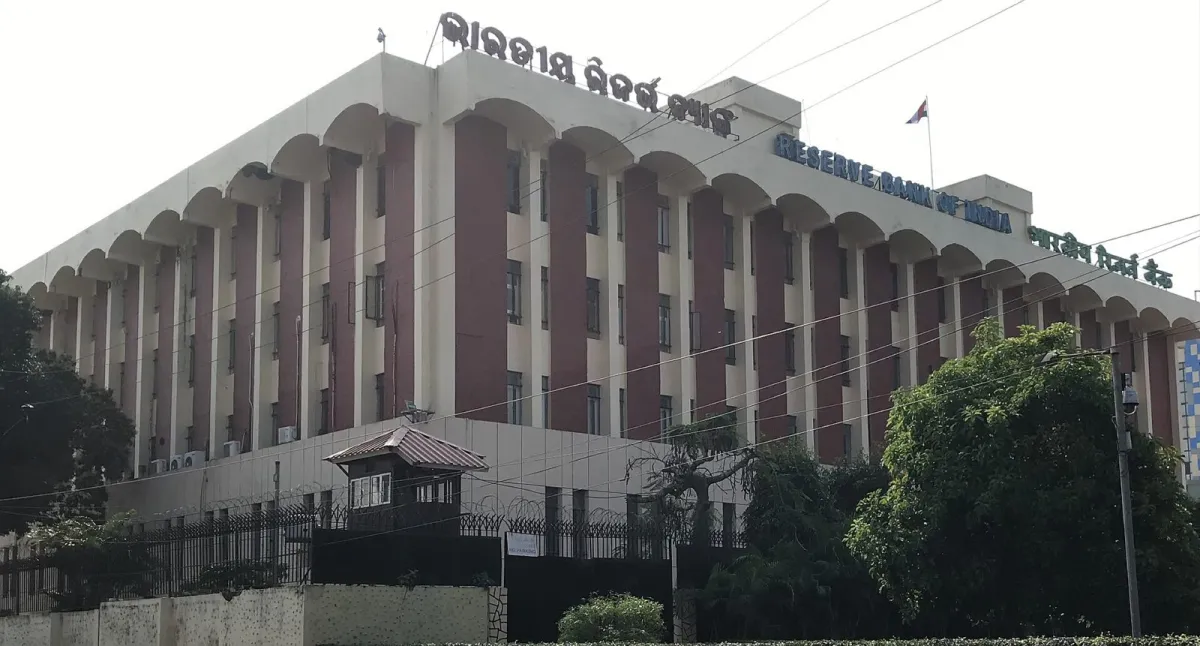
The Reserve Bank of India's Monetary Policy Committee (MPC) raised the policy repo rate by 25 basis points to 5.50% on 7 October 2026. All six members voted for the rise, and the committee changed its stance from neutral to "calibrated tightening". Its next meeting is on 2, 3 and 4 December 2026.
What happened
The Governor's statement of 7 October set out the new rates:
- Repo rate: 5.50%, up from 5.25%.
- Standing deposit facility (SDF) rate: 5.25%.
- Marginal standing facility (MSF) rate and Bank Rate: 5.75%.
The RBI now projects CPI inflation for 2026-27 at 5.2%, with 6.0% in October to December and 5.7% in January to March. It expects real GDP growth of 7.1% for the year. The RBI's October bulletin says headline CPI inflation rose to a 23-month high of 5.5% in September, and points to early signs of inflation spreading more widely.
After December, the last meeting of the financial year is on 3, 4 and 5 February 2027.
Who's affected
Loans linked to an external benchmark such as the repo rate move with it. State Bank of India raised its External Benchmark Lending Rate (EBLR) from 7.90% to 8.15% (plus its credit risk premium and spread), and its Repo Linked Lending Rate (RLLR) from 7.50% to 7.75%, both from 15 October 2026. The rate you pay is the benchmark plus your own spread, which doesn't change.
If you have a fixed-rate loan, your rate doesn't move until its fixed period ends. Savers may see better deposit rates, but banks don't have to move them in step. SBI's retail fixed deposit page, checked on 16 November 2026, still shows rates effective from 15 December 2025: 6.25% for one year to under two years and 6.40% for two years to under three years, with 0.50 points more for senior citizens.
A worked example
Say you have a ₹50 lakh home loan over 20 years, and your rate rises from 8.50% to 8.75%. On a fresh 20-year term:
- Your EMI goes from about ₹43,391 to about ₹44,186: ₹794 a month, or roughly ₹9,500 a year.
- If you keep the EMI the same instead, the loan runs about a year longer (around 252 months instead of 240).
On the savings side, ₹1 lakh in a one-year SBI deposit at 6.25% earns ₹6,250 in simple interest before tax. If the RBI raises again in December and your bank follows, these figures move again.
What the RBI says your lender must do
The RBI's rules on resetting floating rates on EMI-based personal loans also apply, it says, to all equated instalment based loans. Under them:
- Your lender must tell you about any increase in your EMI or tenor straight away.
- When the rate resets, you can choose a higher EMI, a longer tenor, or a mix of both.
- You can prepay in part or in full at any point during the loan.
- Lenders may, under their board-approved policy, offer a switch to a fixed rate. Any switching charge must be in your sanction letter.
- You must get a statement at the end of each quarter showing the principal and interest paid so far, the EMI, the number of EMIs left and the annualised rate.
What to do now
- Find your latest statement and check your benchmark and your spread.
- Work out what 0.25 points costs on your balance. In our example, it's about ₹794 a month.
- Decide whether you'd rather pay a higher EMI or extend the tenor, and tell your lender. A longer tenor means more interest overall.
- If you have spare cash, ask about part-prepayment and any charges before you pay.
- Compare deposit rates before you renew a fixed deposit. Banks set them separately from the repo rate.
Questions
Will the RBI raise rates again in December? We don't know. The committee changed its stance to calibrated tightening, but makes each decision at the meeting.
Why did my EMI stay the same? Some lenders extend the tenor instead. Your quarterly statement shows the number of EMIs left, so check it.
Is a fixed-rate switch worth it? It depends on the fixed rate offered and the switching charge. Ask your lender for both in writing.
Ways to save
A higher EMI makes the big sale weekends more tempting, so check a "deal" before you buy: our Black Friday guide shows how. And if something you bought online turns out faulty, our guide to your online shopping rights explains when a shop can't refuse a refund.
When you shop through Promo Magpie, part of the commission the shop pays us goes to the charity or club you pick. You pay the same price.
Sources: RBI, Governor's Statement, 7 October 2026, RBI, Meeting Schedule of the Monetary Policy Committee for 2026-27, 23 March 2026, RBI Bulletin, State of the Economy, 23 October 2026, RBI, Reset of Floating Interest Rate on EMI based Personal Loans, 18 August 2023, SBI, EBLR/RLLR, checked 16 November 2026, SBI, Retail domestic term deposits, checked 16 November 2026
More on your rights when you shop
The Thursday email
Every Thursday: the best codes from the brands you shop at. After you sign up, pick your brands and whether you want codes, hot deals, free delivery or student offers. No spam, unsubscribe in one click.