









































Christmas toy safety: 23 sand toys recalled, button batteries and the under-3s rule
Twenty-three sand products have been recalled for asbestos traces, a bargain chain faces court over 57 allegedly unsafe products, and button batteries hide in cards and decorations. A safety check for Christmas toy shopping.

50% of our commission goes to the charity or club you pick.Change
Pick a charity and we'll give them 50% of our commission.
As of October 2026, 23 play, hobby and decorative products containing sand had been recalled in New Zealand after traces of asbestos were found, affecting around 46,000 items. That's one of three safety warnings from regulators worth knowing before you buy Christmas presents for children.
1. Sand toys and craft kits
The Commerce Commission says that since November 2025, several products containing sand have been found to contain traces of asbestos. You can't tell by looking: asbestos can't be identified without testing.
A new Unsafe Goods (Consumer Sand Products) Notice, issued on 23 October 2026, means that from 1 February 2027 certain sand products, including toys for children under 14, must be tested and shown to be asbestos-free before they can be sold. It covers toys and other products with accessible sand, sand in a coating that can be penetrated in normal use, and decorative, art and craft products. Until then, check recalls yourself.
The Commission's advice if you've bought sand toys, craft products or decorations:
- check whether the product has been recalled, using the list on the Product Safety New Zealand website;
- stop using recalled products straight away;
- follow the instructions in the recall notice.
2. Cheap doesn't have to mean unsafe
On 8 October 2026 the Commission announced court action against PD Mart, formerly known as Panda Mart, which runs variety stores in Auckland and Christchurch. It alleges PD Mart offered 57 different non-compliant products for sale, including children's toys and baby walkers, and represented seven types of children's car seats as meeting an international safety standard when they didn't. The case is before the courts and the allegations haven't been proven.
3. The under-3s toy rule
New Zealand has a mandatory safety standard for toys for children up to and including 36 months. The Commission says children that young are less able to cough up something they swallow, so these toys must be of a specified size and must not have small parts designed to come off, or pieces that break off easily.
It covers things like rattles, teethers, bath toys, blocks, stacking toys, soft toys, dolls, puzzles and toy cars. The rule applies to shops and online sellers in trade, including people in trade selling second-hand toys, and to toys given away as prizes or with other purchases. It doesn't apply to private sellers.
The rule applies even if a toy is also marketed to older children. So the question to ask is whether a toy would appeal to a child under 3, not just what age is printed on the box.
Button batteries
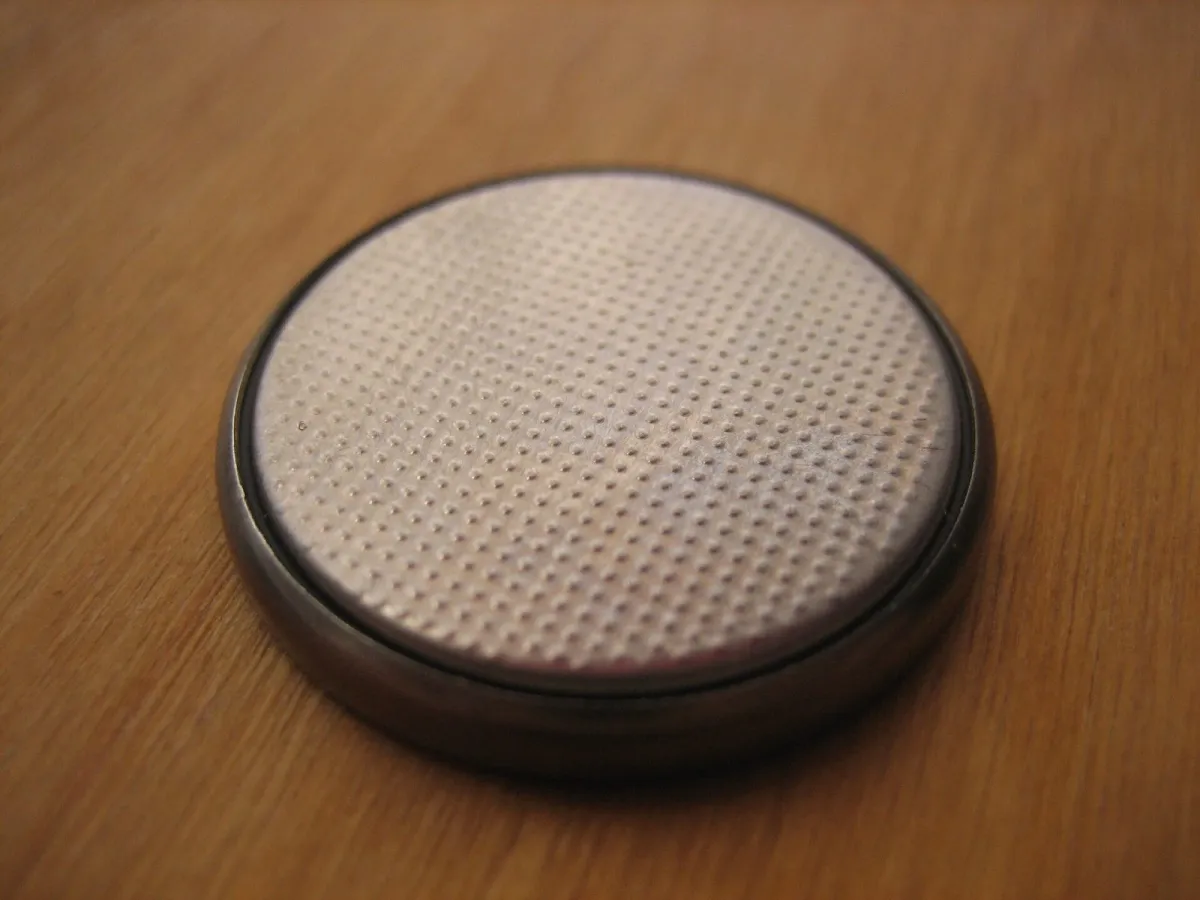
Consumer Protection, part of MBIE, warns that button batteries are found in musical greeting cards, toys, remote controls and key fobs. If swallowed or put in a child's nose or ears, they can quickly burn through tissue, causing serious injury and possibly death. Children under five are especially at risk.
MBIE's figures, from 2019 to 2021, showed the National Poisons Centre received on average 41 calls a year about button batteries being swallowed or stuck in ears or noses. Over 60% of incidents involved batteries coming loose from inside products, and a further 29% batteries that weren't stored or thrown away safely.
A worked example
Say you're buying for a 2-year-old and a 9-year-old. A sand-art kit for the older child may seem a safe pick, but it's exactly the kind of product the recalls covered, and testing isn't required until 1 February 2027. Check the recall list before buying. For the 2-year-old, a toy marked "3+" isn't automatically fine if it looks made for a toddler. Choose one that's clearly designed for under-3s from a shop in trade, which must meet the 36-month standard. And skip the singing greeting card: a plain card avoids a button battery in the house.
What to do now
- Check the Product Safety New Zealand recall list before buying sand toys, play sand, craft kits or sand-filled decorations.
- For under-3s, look for toys with no small parts and nothing that could snap off.
- Check any gift with a button battery has a screwed or child-resistant compartment.
- Keep spare and used button batteries out of reach, and check for loose ones when you pack away decorations.
Questions
What should I do if a child swallows a button battery? Treat it as an emergency and get medical help straight away. Consumer Protection says they can quickly cause serious injury.
Can I return a recalled product? Follow the instructions in the recall notice. A product that's unsafe also fails the Consumer Guarantees Act's acceptable quality guarantee. See our guide to your CGA rights.
Ways to save
Posting gifts to family overseas? See our guide to NZ Post's Christmas sending dates. We're adding New Zealand shops and promo codes to Promo Magpie now.
When you shop through Promo Magpie, part of the commission the shop pays us goes to the charity or club you pick. You pay the same price.
Sources: Commerce Commission, New safety checks on sand products for children, 27 October 2026, Commerce Commission, Product safety is non-negotiable, 8 October 2026, Commerce Commission, Children's toys standard, checked 19 November 2026, Consumer Protection, Check for button batteries this Christmas, checked 19 November 2026, Consumer Protection, Consumer Guarantees Act, checked 19 November 2026
The Thursday email
Every Thursday: the best codes from the brands you shop at. After you sign up, pick your brands and whether you want codes, hot deals, free delivery or student offers. No spam, unsubscribe in one click.
Keep reading
NZ Post Christmas 2026 dates: 24 November for far-off places, 18 December within NZ
The first NZ Post Christmas cut-off is a week away: 24 November for Economy parcels to the rest of the world. Here are all the 2026 dates, plus the $20 and $40 overseas parcel deals.
 Mike Dodd