





































Fake airline help lines before Thanksgiving: fake support scams cost $2.1 billion in 2025
Scammers watch for travelers posting about delays and pay for search ads with fake airline numbers. The FBI logged $2.1 billion in fake support losses in 2025. Save the real number before you fly.

50% of our commission goes to the charity or club you pick.Change
Pick a charity and we'll give them 50% of our commission.
What's happened
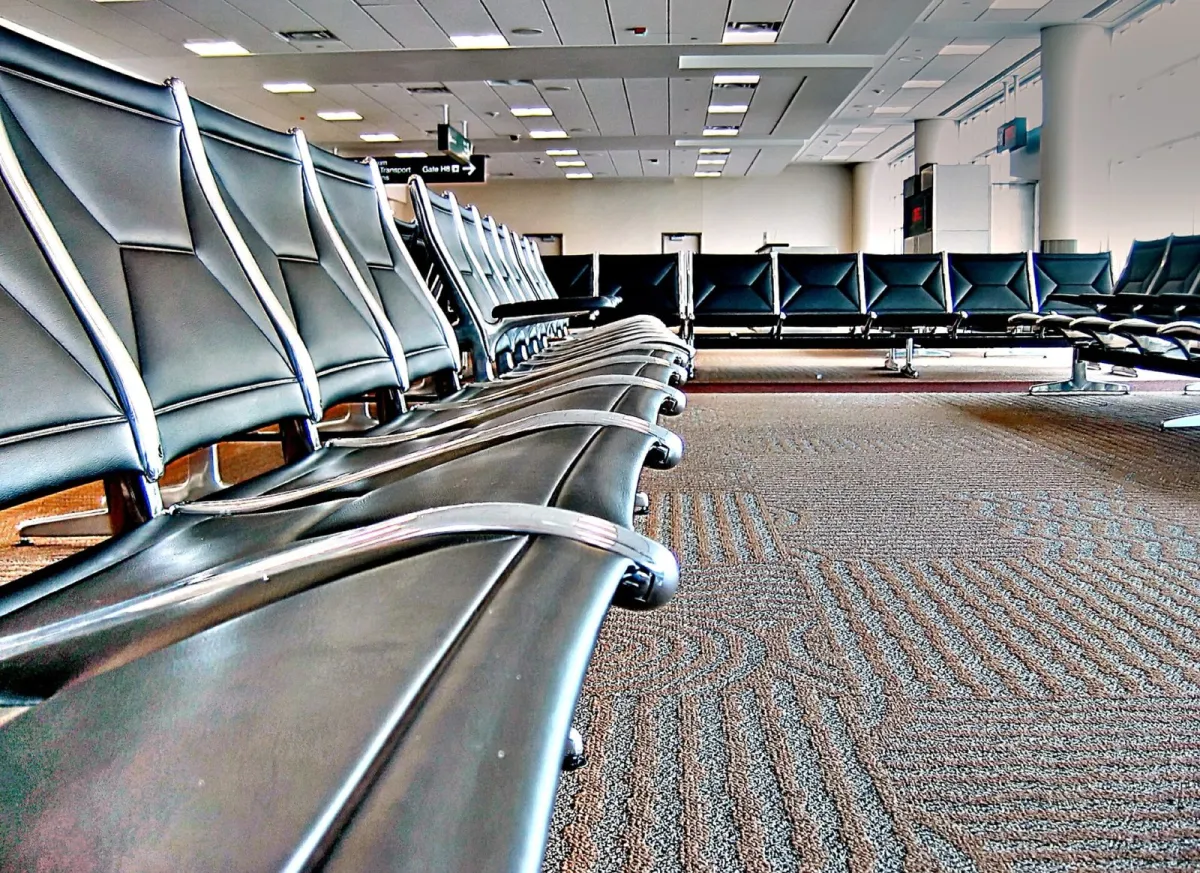
Your Thanksgiving flight is canceled. The line at the desk is long, so you search for the airline's phone number, or post an angry message on social media. Within minutes, someone "from the airline" offers to help. That's exactly the moment fake customer service scammers are waiting for.
The FTC warned in July 2024 that scammers "crawl social media looking for posts from upset travelers," then reach out from fake accounts posing as airline customer service. They ask for your booking confirmation number, your phone number or your bank details, or send you to a fake website that collects personal information.
The FBI has warned about the search version too. Its Internet Crime Complaint Center names the "car rental, airline, and hotel industries" among those whose customer support scammers impersonate, and says phone numbers in a "sponsored" results section "are likely boosted" by paid search advertising.
How big is it?
Fake support is one of the costliest scams in the country. The FBI's 2025 Internet Crime Report logged 47,794 tech support complaints with losses of $2,134,675,818. The FTC says people reported losing nearly $1 billion to business impersonators in 2025, up from $866 million in 2024.
Not all of that is airlines, but the method is the same: a fake help line, a fake account or a fake website standing between you and the real company.
Who's affected
Anyone flying for the holidays, with Thanksgiving on November 26. You're most at risk when something goes wrong: a delay, a cancellation, a lost bag or a missed connection. That's when you're rushed, stressed and likely to call the first number you find.
A worked example
Say your flight home is canceled and you search "airline name customer service." The top result is an ad with a phone number. The "agent" says they can rebook you, but there's a change fee, and asks you to pay $200 by card or app, plus your confirmation number to "find the booking."
You've now lost $200 and handed over a code that can be used to get into your reservation. Meanwhile, the real airline never rebooked you. Across the FBI's tech support complaints, the average loss works out to about $44,664 ($2,134,675,818 / 47,794). Most fake airline calls ask for far less, but the trick is the same.
What to do now
- Save the real number before you fly. Get it from the airline's app, its website, or your booking email, and save it in your phone. Don't rely on a search result at the airport.
- Use the app first. The FTC advises logging into your airline account and contacting customer service through the official app, website, chat or phone number.
- Skip sponsored results. The FBI says to be cautious of support numbers found by searching, and to type the business's web address straight into your browser.
- Ignore DMs that find you. Find the airline's real social media page through its website and look for the verification badge. Never share personal details on social media.
- Talk to a person at the airport. The FTC suggests speaking to a customer service rep in person if you're already there.
- Report it. Tell the FTC at ReportFraud.ftc.gov and the FBI at ic3.gov. If your details were stolen, IdentityTheft.gov has recovery steps.
Questions
Someone from the airline contacted me first. Is that normal? Be wary. The FBI says legitimate customer, security or tech support companies "will not initiate unsolicited contact with individuals." Hang up and call back on a number from the airline's app or website.
I paid a fake agent by card. What now? Call your card company on the number on the back of the card and dispute the charge. The FBI's advice to victims is to contact your financial institutions straight away and change passwords if the scammer had access to any device.
Is my canceled flight owed a refund anyway? Often, yes. Our story on automatic airline refunds explains when you're due cash back, without any fee.
Ways to save
The FBI suggests using ad-blocking software, so fewer paid ads sit between you and the real result. Malwarebytes Browser Guard is a free extension for Chrome, Firefox, Edge and Safari that blocks ads and pop-ups and flags sites known for scams and malware (checked November 15, 2026). We also covered fake help lines more widely in our story on tech support scams.
When you shop through Promo Magpie, part of the commission the shop pays us goes to the charity or club you pick. You pay the same price.
Sources: FTC consumer alert, July 25, 2024, FBI IC3 public service announcement I-031622-PSA, March 16, 2022, FBI IC3 public service announcement, April 24, 2025, FBI IC3 2025 Internet Crime Report, FTC press release, June 15, 2026, Malwarebytes Browser Guard, checked November 15, 2026
More on your rights when you shop
- Holiday job? Over 40 hours a week means time and a half, but no federal holiday premium
- Store card "no interest if paid in full"? Miss by $1 and you pay all the interest
- Debit card stolen? Report it within 2 business days and your loss stops at $50
- Amtrak at Thanksgiving: cancel a Value fare and get 70% back, and your rights on delays
The Thursday email
Every Thursday: the best codes from the brands you shop at. After you sign up, pick your brands and whether you want codes, hot deals, free delivery or student offers. No spam, unsubscribe in one click.
Keep reading

Mortgage rates at 7.11%: lock now or wait for the Fed? A $350,000 loan worked out
The 30-year average fell to 7.11%, a seven-week low, but bond yields jumped after October's inflation figures. On a $350,000 loan a quarter point is worth $59 a month. Here's how to lock smartly before the Fed's December 9 decision.
 Mike Dodd
Fed minutes out today: why a December 9 rate rise is on the table, and what $40,000 costs
The Fed publishes its October minutes at 2 p.m. Eastern today. In September most officials expected one more rise this year, and two voted for one in October. Here's what to watch for, and what a quarter point would add to a HELOC or card.
Mike Dodd
October prices: gas up 37.4% on a year, groceries up 0.4% in a month. What it means
Consumer prices rose 0.4% in October, and gas was 37.4% higher than a year ago. A fill-up now costs about $14 more than last fall. Here's what the numbers mean for your bills and for the Fed's December 9 decision.
Mike Dodd