Fake package and unpaid toll texts: how to spot them as holiday shipping ramps up
Texts about unpaid tolls helped push reports of government impostor scams up 40% in 2025, the FTC says, and fake package delivery texts are the most reported text scam. Here's how to check a message without clicking.

50% of our commission goes to .Change
Pick a charity and we'll give them 50% of our commission.
What's happened
Scam texts claiming you owe a toll or that a package can't be delivered are among the most common frauds in the US, and the run-up to the holidays is when the package versions do best, because so many of us are waiting for orders.
In 2025, the Federal Trade Commission got more than 1 million reports about impostor scams, with reported losses up nearly 20% to $3.5 billion, it said on May 7, 2026. Reports of government impostor scams rose 40%, partly because of texts about overdue tolls. These messages can spoof real toll programs such as E-ZPass, SunPass, FasTrak and TxTag, and threaten late fees or suspending your vehicle registration if you don't pay right away.
The FTC's most recent breakdown of text scams, published in April 2025, found people reported losing $470 million to scams that started with a text in 2024. Fake package delivery problems were the most commonly reported text scam.
Who's affected
Anyone with a cell phone. You don't need to have driven on a toll road or be expecting a package, because the texts go out in bulk. They work best when the timing fits: a toll text after a road trip, or a "delivery problem" text while you're waiting on a Black Friday order.
The aim is usually to get you onto a fake payment page. Once you enter your card number, security code and address, scammers can use the card or sell the details. Some pages also ask for your date of birth or driver's license number, which can be used for identity theft.
How the texts usually look
- Toll texts: a small unpaid amount, a deadline of today or tomorrow, a threat of fines or license action, and a link to "pay now."
- Package texts: a parcel "on hold" because of an incomplete address or unpaid shipping fee, with a link to "update your details" or pay a redelivery fee.
- Odd senders: an unknown number or email address, sometimes from overseas, rather than a short code you recognize.
- Links that are nearly right: web addresses that include the agency or carrier name but aren't its real site.
The US Postal Inspection Service says USPS won't text or email you unless you've asked for tracking updates with a tracking number, and those messages won't contain a link.
What it means in dollars: a worked example
This is an illustration, not a real case.
Marcus gets a text saying he owes a $6.99 toll and will be charged a $50 late fee if he doesn't pay today. He taps the link and pays with his credit card. Two days later there are $640 of charges he didn't make.
Because it's a credit card, federal law caps his liability for unauthorized charges at $50, and many issuers charge nothing. If he'd used a debit card, he'd be fully protected for unauthorized transfers only if he reports them within 60 days of the statement that shows them. Either way, the fastest fix is to call the card company, cancel the card and get a new number.
What to do now
- Don't tap links in unexpected texts. Don't reply either, even to say "stop," because it confirms your number is live.
- Check with the real company. Look up your toll account on the agency's own website or app, or call the number on your statement. Track packages by typing the tracking number into the carrier's own site.
- Report and delete. Forward the text to 7726 (SPAM), use your phone's "report junk" option, and report it at ReportFraud.ftc.gov. For USPS scams you can also email [email protected] with a screenshot.
- If you entered card details, call your bank now. Ask it to cancel the card and watch for charges. USPIS says to tell your bank even if you only visited the link and didn't press submit.
- If you gave other personal details, visit IdentityTheft.gov for a recovery plan and consider freezing your credit with Equifax, Experian and TransUnion. Freezes are free.
FAQs
Do toll agencies ever text about unpaid tolls?
Some send account alerts if you've signed up for them. But the FTC's advice is the same either way: don't use the link in the text. Contact the state's toll agency using a phone number or website you know is real.
Does USPS charge a fee to redeliver a package?
No. You can schedule a redelivery for free on usps.com. A text asking for a small "redelivery fee" is a scam.
I clicked the link but didn't enter anything. Am I safe?
Probably, but be careful. Close the page, don't download anything, and keep your phone updated. If you typed in anything at all, treat it as compromised and call your bank.
Sources: FTC: new trends in reports about impostor scams (May 7, 2026), FTC Data Spotlight: top text scams of 2024, US Postal Inspection Service: smishing, FTC: using credit cards and disputing charges, CFPB: Regulation E, section 1005.6, IdentityTheft.gov
More on your rights when you shop
- Click-to-cancel in October 2026: what's law, what isn't, and Amazon's Prime refunds
- "Warranty void if removed": what federal law says, and Texas's new repair law
- Gift cards: the 5-year expiry rule, fee limits, and how to dodge draining scams
- Holiday buy gone wrong? How a credit card dispute can get your money back
The Thursday email
Every Thursday: the best codes from the brands you shop at. After you sign up, pick your brands and whether you want codes, hot deals, free delivery or student offers. No spam, unsubscribe in one click.
Keep reading

USPS holiday shipping 2026: higher package prices until January 17, and the send-by dates
USPS's temporary holiday prices add up to $20.80 to a package until January 17, on top of an 8% increase from April. Stamps aren't affected. Here are the Christmas send-by dates and ways to keep shipping costs down.
 Mike Dodd
Card skimmers at gas pumps, ATMs and checkouts: what to check before you pay
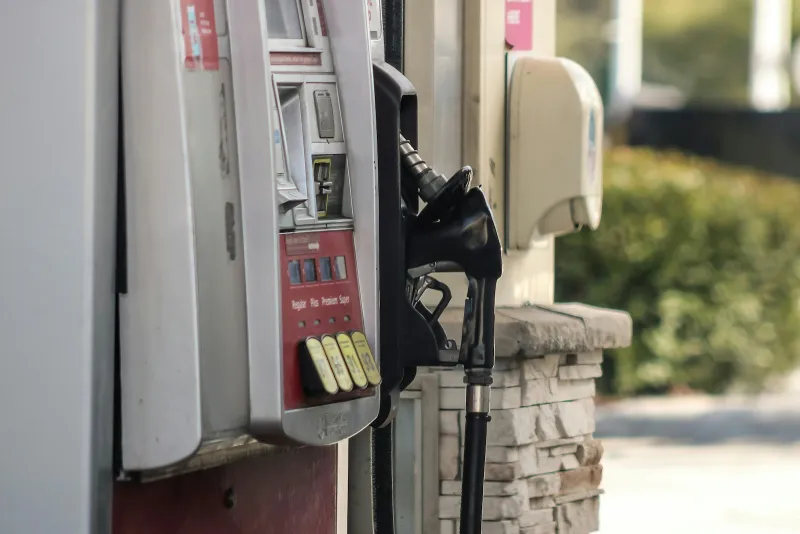
The Secret Service removed 411 skimming devices from card readers in 2025 and says the threat remains widespread. Here's how to spot a tampered reader, the safest way to pay, and your rights if your card is copied.
Mike Dodd
Gift card scams this holiday season: payment demands, drained cards and what to do
Michigan has just made gift card draining a felony, and older Americans reported losing $139 million paid by gift card in 2025. Here's how both scams work, how to check a card before you buy, and who to call if it goes wrong.
Mike Dodd