
Older Americans reported $3 billion in fraud losses in 2025, FTC tells Congress
Reported fraud losses among people 60 and over have grown about fivefold since 2020, the FTC says, and the real cost may be far higher. Here's where the money went and how to protect yourself and your family.

50% of our commission goes to .Change
Pick a charity and we'll give them 50% of our commission.

What's happened
Older Americans reported losing about $3 billion to fraud in 2025, according to the Federal Trade Commission's latest annual report to Congress on protecting older adults, published on October 19, 2026. That's roughly five times the $600 million people aged 60 and over reported losing in 2020.
The FTC says the rise was driven largely by very large individual losses. Reported losses to investment scams among older adults rose 42% in 2025 to over $1 billion, and people often said the scammer first reached them on social media. Most fraud is never reported, so the FTC estimates the true cost to older adults in 2025 could be as high as $119.5 billion.
The report sits alongside the FTC's figures for all ages, which it gave to Congress in March 2026: 3 million fraud reports and $15.9 billion in reported losses in 2025, up from 2.6 million reports and over $12 billion in 2024. The FBI's Internet Crime Complaint Center (IC3) counted nearly $20.9 billion in reported losses in 2025, with people 60 and over filing about 201,000 complaints and losing nearly $7.75 billion.
Who's affected
Everyone can be targeted, but the pattern is different with age. Older adults reported losing money less often than younger adults, the FTC found, yet when they did lose money the amounts were bigger. The median loss for people 80 and over was $2,000.
The scams where older adults were more likely than younger people to report losing money were:
- Tech support scams, such as a pop-up saying your computer is infected.
- Prize, sweepstakes and lottery scams.
- Romance scams.
- Government impersonation, such as fake IRS or Social Security calls.
- Friend or family impersonation, such as a "grandchild" who needs bail money.
The report's figures also show how the money was paid. Bank transfers and payments accounted for the most lost by older adults, about $1.03 billion, followed by cryptocurrency at about $603 million. Gift cards accounted for about $139 million and were the payment method most often reported in tech support, romance, family impersonation and prize scams.
What it means in dollars: a worked example
This is an illustration, not a real case.
Ruth, 74, gets a pop-up on her laptop saying it's locked and to call "Microsoft support." The "technician" says her bank account has been hacked and that a "government agent" will help her move $18,000 to a safe account. She sends it by bank transfer.
Because Ruth authorized the payment herself, it's far harder to get back than a fraudulent charge on a credit card, where federal law caps your liability for unauthorized charges at $50. If she calls her bank within minutes, it may be able to stop or recall the transfer. After a day or two, the money has usually been moved on.
Had she hung up and called her bank on the number on her card, she'd have lost nothing.
What to do now
- Know the payment red flags. No real government agency, bank or tech company will ask you to pay with gift cards, cryptocurrency, a wire transfer, a payment app, or cash handed to a courier. If anyone does, it's a scam.
- Hang up and call back. If a call, text or pop-up says there's a problem with your account, end it and contact the company using a number you find yourself, such as the one on your card or statement.
- Add a trusted contact. Many banks and brokerages let you name a trusted contact person they can call if they're worried about activity on your account.
- Act fast if money has gone. Call your bank or card company straight away and ask it to stop or reverse the payment, then report it at ReportFraud.ftc.gov and to the FBI at ic3.gov.
- Get help with a big loss. The Justice Department's National Elder Fraud Hotline, 1-833-FRAUD-11 (1-833-372-8311), helps people 60 and over report fraud and find support.
FAQs
Why are losses rising if older adults lose money less often?
Because the losses that do happen are larger. The FTC says the growth since 2020 has been driven largely by very large individual losses.
Where does the $119.5 billion figure come from?
It's an FTC estimate, not money that was reported lost. Only a small share of fraud victims ever report it, so the FTC adjusts the reported figures for underreporting. It's the top of its estimated range for 2025.
Can a bank refuse to refund a transfer I was tricked into making?
Often, yes. Federal rules on electronic transfers mainly protect you against transfers you didn't authorize. If you made the payment yourself, even because you were deceived, a refund usually depends on how fast you act and on your bank's own policy. Ask anyway, and ask quickly.
Sources: FTC: annual report to Congress on protecting older adults (October 19, 2026), FTC: Protecting Older Consumers 2025-2026, FTC: testimony to the Joint Economic Committee (March 25, 2026), FBI IC3: 2025 Internet Crime Report, FTC: using credit cards and disputing charges, CFPB: Regulation E, section 1005.6, Justice Department Office for Victims of Crime: National Elder Fraud Hotline
More on your rights when you shop
- Click-to-cancel in October 2026: what's law, what isn't, and Amazon's Prime refunds
- "Warranty void if removed": what federal law says, and Texas's new repair law
- Gift cards: the 5-year expiry rule, fee limits, and how to dodge draining scams
- Holiday buy gone wrong? How a credit card dispute can get your money back
The Thursday email
Every Thursday: the best codes from the brands you shop at. After you sign up, pick your brands and whether you want codes, hot deals, free delivery or student offers. No spam, unsubscribe in one click.
Keep reading

USPS holiday shipping 2026: higher package prices until January 17, and the send-by dates
USPS's temporary holiday prices add up to $20.80 to a package until January 17, on top of an 8% increase from April. Stamps aren't affected. Here are the Christmas send-by dates and ways to keep shipping costs down.
 Mike Dodd
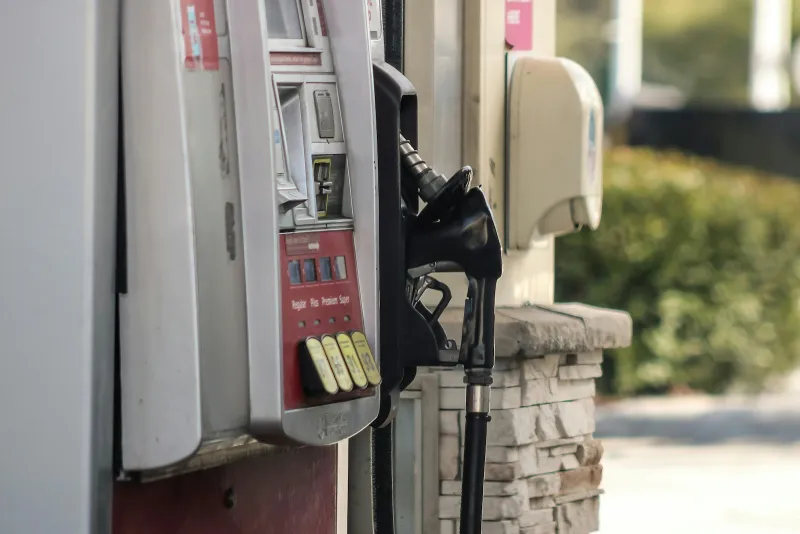
Card skimmers at gas pumps, ATMs and checkouts: what to check before you pay
The Secret Service removed 411 skimming devices from card readers in 2025 and says the threat remains widespread. Here's how to spot a tampered reader, the safest way to pay, and your rights if your card is copied.
Mike Dodd
Gift card scams this holiday season: payment demands, drained cards and what to do
Michigan has just made gift card draining a felony, and older Americans reported losing $139 million paid by gift card in 2025. Here's how both scams work, how to check a card before you buy, and who to call if it goes wrong.
Mike Dodd