
Package stolen from your porch? Who's responsible, and how to get your money back
More than 100 million packages were stolen in a year, one estimate says. Here's who you can turn to when a delivered package vanishes: the seller, the carrier, your card issuer or your insurer.

50% of our commission goes to .Change
Pick a charity and we'll give them 50% of our commission.
What's happened
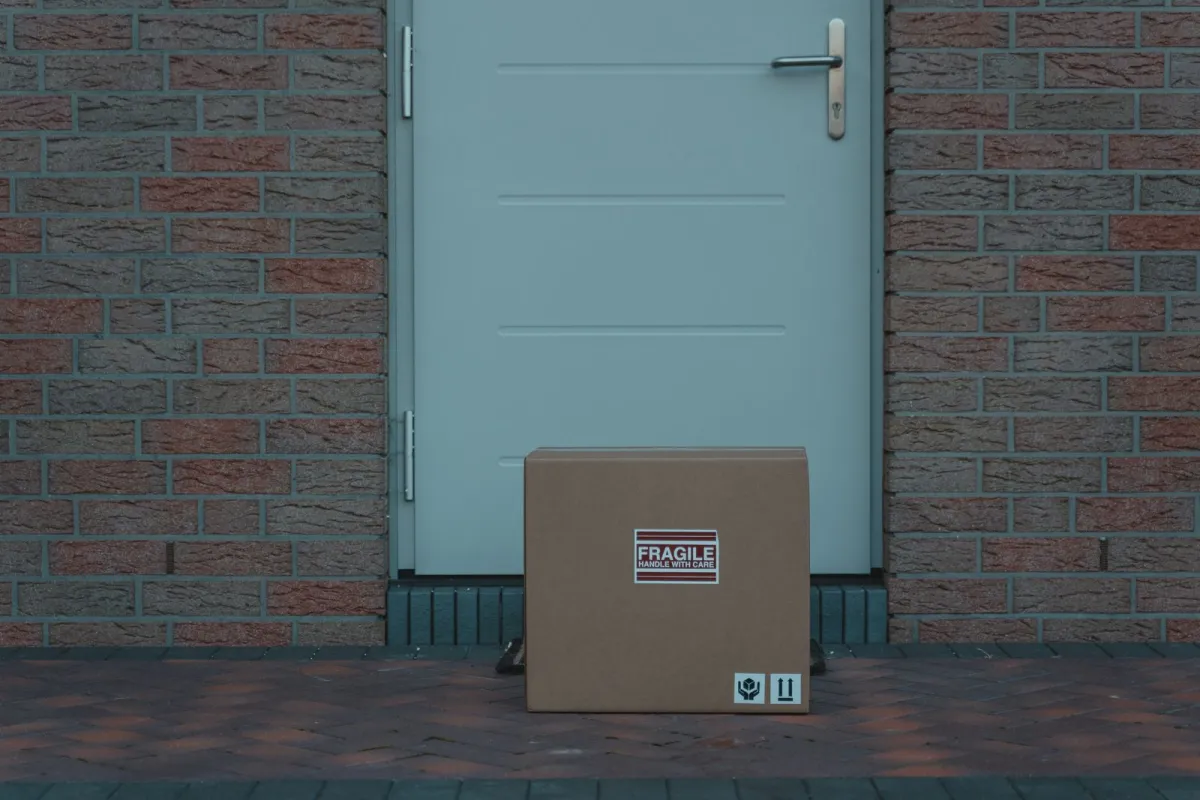
Package theft is a big business, and the busiest shipping weeks of the year are about to start. SafeWise's latest annual package theft report, released in November 2025, estimated that more than 104 million packages were stolen in the past year, about 250,000 a day. It put the cost to consumers at about $15 billion, with an average stolen package worth $143, up about 8% on the year before. Some 31% of people it surveyed said they'd had a package stolen in the past year.
Other estimates differ, because researchers count in different ways. But whichever figure you use, it's worth knowing who to turn to before it happens to you.
Who's responsible
- The seller, usually first. Under the Uniform Commercial Code, which most states follow, when a merchant has to deliver to you, the risk of loss generally passes to you "on his receipt of the goods." What counts as receipt, and whether your order was a "shipment" contract that moves the risk earlier, can depend on the terms you agreed to. In practice, many big retailers will refund or replace a missing item if you report it quickly, so start there.
- The carrier. For USPS packages, you can start a Missing Mail search at MissingMail.USPS.com from seven days after the mailing date. Insured items can be the subject of a claim, which the sender or the recipient can file. USPS says it may not legally pay compensation for uninsured lost or damaged items. For UPS, FedEx or Amazon's own drivers, contact that carrier, as USPS can't help with them.
- Your card issuer. Under the Fair Credit Billing Act, goods not delivered as agreed count as a billing error. You have 60 days from the date the first statement with the charge was sent. A "delivered" scan can count against you, so send any evidence you have.
- Your insurer. Homeowners and renters policies often cover theft of belongings from outside your home, but the claim is subject to your deductible. Car insurance generally won't pay for items stolen from the car.
A worked example
This is an illustration, not a real case.
Jordan orders a $260 tablet, and tracking shows it was left at the front door at 2pm. When Jordan gets home at 6pm, there's no box. Jordan checks with neighbors, then reports it to the retailer the same evening with a doorbell camera clip and a police report number. The retailer sends a replacement.
If the retailer had refused, Jordan could dispute the $260 credit card charge. Jordan's renters policy has a $500 deductible, so a claim would pay nothing for this loss. It would only help with a bigger theft, such as $1,200 of gifts in one week, where it might pay $700.
What to do now
- Look around first. Check the delivery photo, side doors, neighbors and any building mailroom. Carriers sometimes mark a package delivered a little early.
- Report it to the seller fast, through your order page, and keep a record of what you sent.
- File a police report and note the number. USPS packages can also be reported to the Postal Inspection Service at mailtheft.uspis.gov or 1-877-876-2455.
- Dispute the charge with your card issuer if the seller won't help, within 60 days of the statement.
- Cut the risk for the holidays. Ship to a locker, a store pickup point or your workplace. Ask the carrier to hold it, or require a signature for expensive items. Have big orders arrive on days you're home.
FAQs
Does the FTC's Mail Order Rule help?
Not directly. That rule is about when a seller must ship, not what happens after delivery. Our guide to late holiday orders explains it.
Is a debit card as good as a credit card here?
No. The FTC warns debit card protections are weaker, and you may not get a refund for non-delivery. Call your bank right away if it happens.
Is it worth claiming on my home insurance?
Only if the loss is well above your deductible. A claim may also affect your future premiums, so ask your insurer before filing.
Sources: The Independent via AOL, December 16, 2025: SafeWise package theft study, Uniform Commercial Code 2-509: risk of loss, USPS: missing mail and lost packages, USPS: file a domestic claim, USPS: mail theft, FTC: billed for things you never got, CFPB: Regulation Z, 12 CFR 1026.13 billing errors, Policygenius: does renters insurance cover stolen packages?
More on your rights when you shop
- Got a package you didn't order? Federal law says it's yours to keep
- Concert tickets and hotel stays must show all-in prices: what the FTC fees rule covers
- Click-to-cancel in October 2026: what's law, what isn't, and Amazon's Prime refunds
- "Warranty void if removed": what federal law says, and Texas's new repair law
The Thursday email
Every Thursday: the best codes from the brands you shop at. After you sign up, pick your brands and whether you want codes, hot deals, free delivery or student offers. No spam, unsubscribe in one click.
Keep reading

Got a package you didn't order? Federal law says it's yours to keep
Unordered goods mailed to you count as a free gift under federal law, and you never have to pay or send them back. But a surprise box can also be a sign of a brushing scam. Here's what to do.
 Mike Dodd

Concert tickets and hotel stays must show all-in prices: what the FTC fees rule covers
Since May 2025, sellers of live-event tickets and short-term lodging must show the total price upfront. StubHub has already paid $10 million under the rule. Here's what it requires and what it leaves out.
Mike Dodd
Click-to-cancel in October 2026: what's law, what isn't, and Amazon's Prime refunds
The FTC's 2024 click-to-cancel rule is gone and its replacement is only at the question stage. But federal law, state rules and the Amazon Prime settlement still help. Here's where things stand.
Mike Dodd