








































Charged more than the shelf price? 30 states now suing Dollar General, and your rights
Ten more states joined the FTC case against Dollar General on November 20, and Family Dollar is paying $63 million. Here is what to do when an item rings up higher than the tag, including Michigan's up-to-$5 bonus.

50% of our commission goes to the charity or club you pick.Change
Pick a charity and we'll give them 50% of our commission.
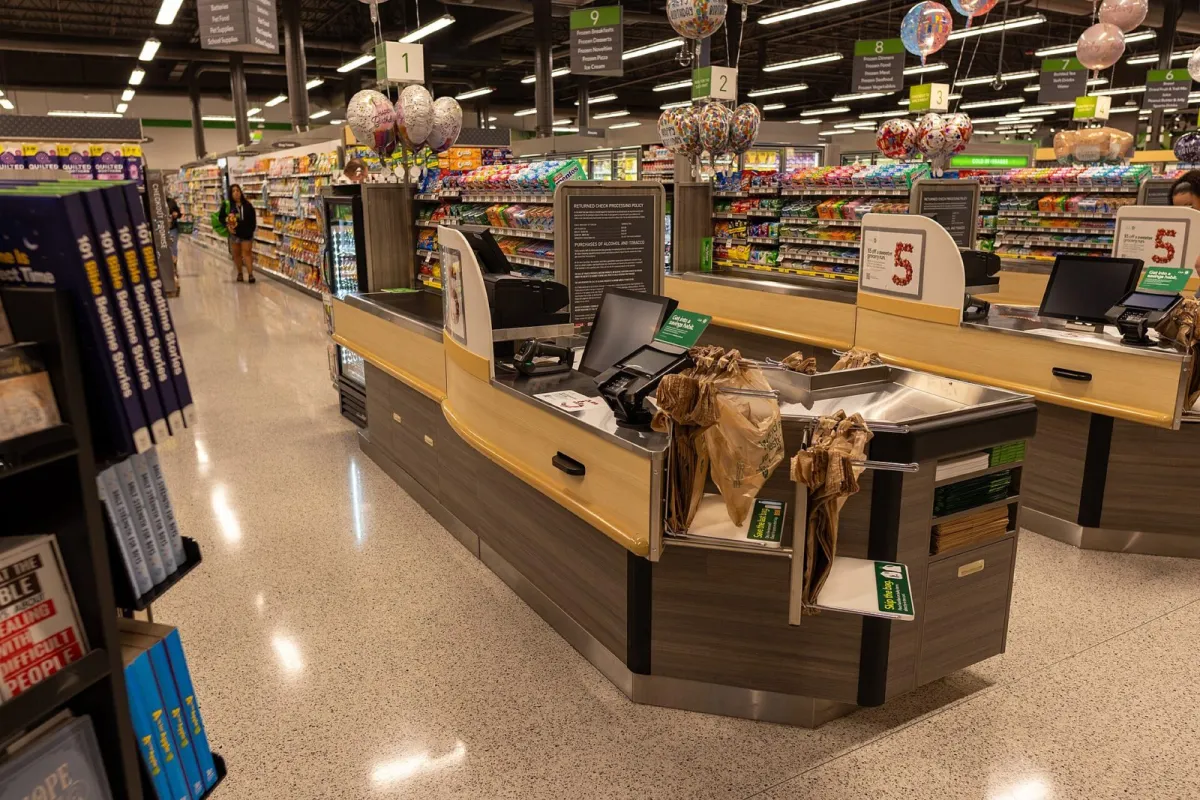
Thirty states have now joined the FTC's lawsuit against Dollar General over prices that ring up higher at the register than on the shelf. Ten more states signed on to an amended complaint on November 20, a week after Family Dollar agreed to a $63 million settlement over the same kind of problem. Here's what to do when the price at checkout isn't the price you saw.
What's happened
On October 26, 2026, the FTC and 20 states sued Dollar General in federal court in the Middle District of Tennessee. The FTC alleges the chain, which has more than 21,000 stores, routinely charged customers more at the register than the prices shown on shelves, price tags and ads. It says the company received tens of thousands of complaints and knew about the problem but didn't fix it. "Dollar General has betrayed the trust of millions of American consumers," said Christopher Mufarrige, Director of the FTC's Bureau of Consumer Protection.
On November 20, Delaware, Georgia, Kentucky, Maine, Minnesota, New Mexico, Oregon, Rhode Island, South Carolina and South Dakota joined, bringing the total to 30 states. These are allegations; the court will decide.
Family Dollar settled separately. Under a proposed order announced on November 12, it will pay $63 million to the FTC and 17 states: a $40 million fund for refunds to eligible customers, a $20 million discount program for its shoppers, and over $3 million to the states. Family Dollar must run a pricing accuracy program that's independently checked every year, and post notices about who can get money back in its stores and on its apps and website. The order takes effect once a judge signs it.
Who's affected
Anyone who shops in person, especially in a week when shelf tags and sale signs change fast. "Consumers should be able to trust the prices they see on the shelves," said Connecticut Attorney General William Tong when his state joined the suit.
Your rights at the register
There's no single federal rule that sets what you get back for a scanner error. It depends on your state, and on the store's own policy. A few examples from state attorneys general:
- Michigan: under the state's Scanner Law, you have 30 days to tell the store, in person or in writing, that you were overcharged. The store must refund the difference, and the Attorney General says it may also pay a bonus of 10 times the difference, at least $1 and no more than $5. If the store doesn't pay the refund and bonus within two days of your notice, you can sue for your actual damages or $250, whichever is greater, plus up to $300 in attorney fees. Small claims court is an option.
- Washington, D.C.: the Attorney General's office says advertised prices should match prices at the register, and the price shouldn't change when you check out.
- Everywhere: Rhode Island's Attorney General advises bringing ads with you, watching the register display as items scan, checking your receipt before you leave and asking for a refund if you were overcharged.
A worked example
Say you're in a Michigan store and buy three of the same item tagged at $5 on the shelf. Each rings up at $7.
- The refund is the $2 difference on each item: $6.
- The bonus is 10 times the $2 difference, which would be $20, but it's capped at $5. It applies to one item only, even when you bought several of the same thing.
- So you'd get back $11 in all. You'd need the receipt showing the overcharge, and the bonus doesn't apply if the cashier fixes the price before the sale is complete.
What to do now
- Snap a photo of the shelf tag or sale sign.
- Watch the screen as items scan, and speak up before you pay.
- Check your receipt before you leave the store. It's your proof.
- If you spot an error later, go back or write to the store promptly. In Michigan, you have 30 days.
- If the store won't fix it, complain to your state attorney general and report it to the FTC at ReportFraud.ftc.gov.
- If you shop at Family Dollar, look for the notices about the refund fund in stores and on its app once the order is approved.
Questions
Will Dollar General customers get money back? Not yet. The case is pending and no refunds have been announced.
Will someone from the FTC call me about a refund? No. The FTC says it will never demand money, make threats, tell you to transfer money or promise you a prize. Anyone who does is a scammer.
Does the same rule apply online? Shelf-price laws are about stores. Online, check the cart total and pay by credit card so you can dispute a wrong charge. Our guide to credit card disputes explains how.
Ways to save
Stocking up on snacks for the long weekend? Snack Variety listed free shipping anywhere in the US, and Altitude Snacks free shipping on orders of $50 or more, on our pages on November 23. Offers can change or end.
When you shop through Promo Magpie, part of the commission the shop pays us goes to the charity or club you pick. You pay the same price.
Sources: FTC, FTC and State Partners Sue Dollar General, October 26, 2026, FTC, Ten Additional States Join FTC Lawsuit, November 20, 2026, FTC, Family Dollar $63 million settlement, November 12, 2026, Connecticut Attorney General, October 26, 2026, Michigan Attorney General, Scanner Law consumer alert, December 17, 2024, D.C. Attorney General, price transparency alert, December 6, 2023, Rhode Island Attorney General, holiday shopping tips, November 21, 2011
More on your rights when you shop
- Store gone bankrupt? Use gift cards fast: deposit priority is capped at $3,800
- No heat in your rental? NYC requires 68°F by day, and some states pause winter shutoffs
- Holiday job? Over 40 hours a week means time and a half, but no federal holiday premium
- Store card "no interest if paid in full"? Miss by $1 and you pay all the interest
The Thursday email
Every Thursday: the best codes from the brands you shop at. After you sign up, pick your brands and whether you want codes, hot deals, free delivery or student offers. No spam, unsubscribe in one click.
Keep reading
Store gone bankrupt? Use gift cards fast: deposit priority is capped at $3,800
When a retailer files for bankruptcy, gift card holders and customers waiting on orders join a long queue. Here's how to protect your money, from spending cards fast to disputing card charges.
 Mike Dodd
No heat in your rental? NYC requires 68°F by day, and some states pause winter shutoffs
Local heat codes set minimum indoor temperatures, many states pause utility shutoffs in winter, and LIHEAP crisis help must come within 48 hours. Here's how to use each.
Mike Dodd
Holiday job? Over 40 hours a week means time and a half, but no federal holiday premium
Seasonal workers get the same overtime rights as permanent staff, but federal law adds nothing for working a holiday. Here's what the DOL says about overtime, training time, tips and teen hours.
Mike Dodd