Sale item sold out? Rain checks, bait-and-switch rules, and Target's 30 to 45 days
If an advertised Black Friday deal is gone when you get there, federal rules and some state laws can help, especially at grocery stores. Here's when you can ask for a rain check, how to spot bait and switch, and what to do about it.
50% of our commission goes to the charity or club you pick.Change
Pick a charity and we'll give them 50% of our commission.
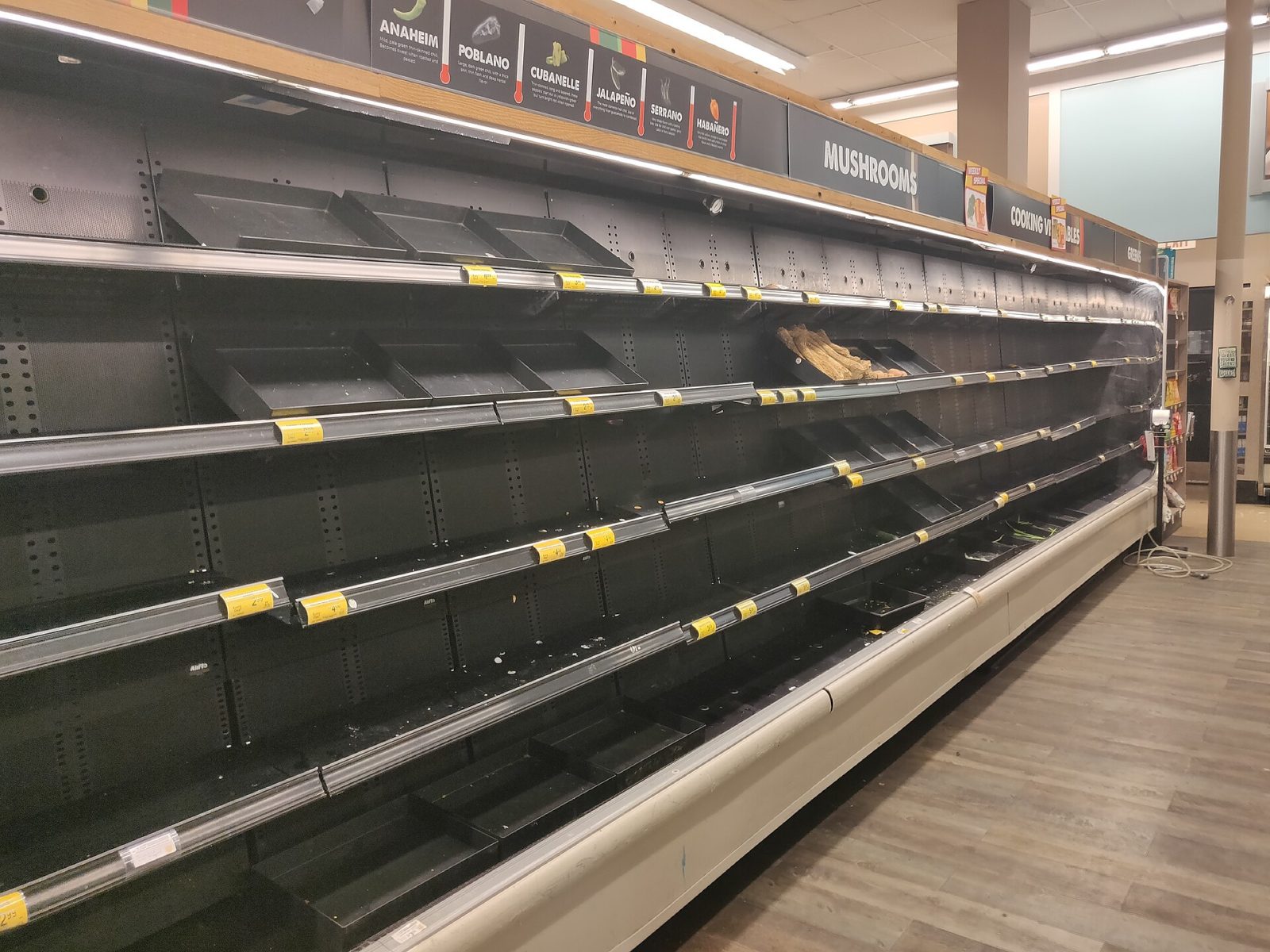
You saw the doorbuster in the ad, got to the store, and it's gone. The rules differ for grocery stores and everyone else, and a rain check is often the fix. At Target, for example, a rain check holds the sale price for 30 to 45 days, depending on the state.
What's the rule?
Grocery stores have a binding federal rule. The FTC's Retail Food Store Advertising and Marketing Practices Rule (16 CFR Part 424) says it's unfair or deceptive for food stores to advertise products at a stated price if they don't have them in stock and readily available, unless the ad clearly says supplies are limited or the item is only at some stores. A store has a defense if it ordered enough to meet reasonably expected demand, or if it offers you one of these: a rain check, a similar product of at least comparable value at the advertised price or a comparable price cut, or other compensation at least equal to the advertised value. The FTC reviewed the rule in 2014 and kept it unchanged.
Other stores are covered by the FTC's Guides Against Bait Advertising (16 CFR Part 238). Guides aren't a rule on their own. They explain how the FTC applies the FTC Act's ban on deceptive practices. They define bait advertising as "an alluring but insincere offer to sell a product or service which the advertiser in truth does not intend or want to sell."
Signs of bait and switch
The guides list things that point to a store trying to steer you away from the advertised item:
- refusing to show, demonstrate or sell the product on the advertised terms;
- running down the advertised product, by words or actions;
- not having enough at the advertised stores to meet reasonably expected demand, unless the ad clearly says supply is limited or it's only at certain stores;
- refusing to take orders for delivery within a reasonable time;
- showing you a product that's defective or impractical for the advertised use.
State rain check laws
Some states go further. Connecticut's Department of Consumer Protection says that when a store runs out of an advertised sale item during the sale, it must post clear notice in the store that the item is out of stock, and tell shoppers they can ask for a rain check. That applies to items offered at a stated price "without condition." If you need a coupon or a rebate to get the price, a rain check isn't required. Check your own state attorney general's site for local rules.
What a store policy can add
Target's help page says a rain check "may be available" if a sale item isn't available at your store, and it lets you buy at that day's sale price for the next 30 to 45 days, depending on the state. Rain checks are paper only, used in store, and not offered on Target.com. Clearance, price cuts and items marked "No Rain Checks" are excluded.
A worked example
This is an illustration, not a real case.
Sam drives to a store at opening for a 55-inch TV advertised at $249.99. There's no "limited quantities" line in the ad. Staff say they had two, both gone, and that the model is "junk" anyway. They point Sam to a $449.99 set. That's a $200 difference, plus a sales pitch that runs down the advertised item, which is one of the signs the FTC lists.
Sam asks for a rain check. If the store won't give one, Sam keeps the ad, notes the time and the staff member's words, and reports it to the state attorney general and the FTC.
What to do now
- Save the ad with its date, and look for "limited quantities" or "no rain checks."
- Ask for a rain check at the register or service desk, and ask how long it lasts.
- Ask about a substitute of equal or better value at the sale price.
- Don't be rushed into a pricier "replacement" the same day.
- Report bait and switch to your state attorney general and at ReportFraud.ftc.gov.
Questions
Do all stores have to give rain checks? No. There's no general federal rain check rule for non-food stores. Grocery stores have to stock advertised items or use one of the rule's defenses, and some states, such as Connecticut, have their own rules.
Do rain checks work online? Often not. Target, for example, doesn't offer them on Target.com.
Is "limited quantities" in an ad enough? It tells you supply is limited, which is what the FTC guides and the food store rule look for. A store still shouldn't use a tiny stock as bait to sell you something else.
Ways to save
Doorbusters sell out fast, so it helps to have a backup plan. See our list of Black Friday 2026 start dates at the big stores. Promo Magpie lists current offers from Caraway, which was running an early Black Friday sale of up to 25% off sitewide when we checked on November 8, and Logitech.
When you shop through Promo Magpie, part of the commission the shop pays us goes to the charity or club you pick. You pay the same price.
Sources: 16 CFR Part 424, Retail Food Store Advertising and Marketing Practices (2025 edition), FTC: rule kept unchanged, November 19, 2014, 16 CFR Part 238, Guides Against Bait Advertising (2025 edition), Connecticut Department of Consumer Protection: Rainchecks, checked November 8, 2026, Target: rain checks, checked November 8, 2026
More on your rights when you shop
- Fake reviews are banned, with fines up to $53,088 each: how to spot them before you buy
- SCRA rights: the 6% interest cap, ending a lease or phone contract, and foreclosure protection
- Restocking fees and return shipping fees: when stores can charge them, and when you can push back
- Surprise medical bill? How the No Surprises Act protects you, and how to dispute it
The Thursday email
Every Thursday: the best codes from the brands you shop at. After you sign up, pick your brands and whether you want codes, hot deals, free delivery or student offers. No spam, unsubscribe in one click.
Keep reading

Fake reviews are banned, with fines up to $53,088 each: how to spot them before you buy
A federal rule has banned fake reviews and paid 5-star reviews since October 2024, and the FTC has started warning companies. Here is what the rule covers, what it doesn't, and how to check reviews before you buy this holiday season.
 Mike Dodd

SCRA rights: the 6% interest cap, ending a lease or phone contract, and foreclosure protection
Ahead of Veterans Day on November 11, here's what the Servicemembers Civil Relief Act gives people on active duty: a 6% cap on pre-service debts, penalty-free exits from leases and phone plans, and protection from foreclosure.
Mike Dodd
Restocking fees and return shipping fees: when stores can charge them, and when you can push back
No federal law bans restocking fees or return shipping charges. But several states make stores disclose them up front, and a card dispute can help when a seller breaks its own policy. Here's how it works before the holiday returns rush.
Mike Dodd