Bitcoin ATM scams cost $389 million in 2025: why no real bank or agency asks for crypto
Losses at crypto ATMs rose 58% in 2025, FBI figures show, and people 60 and over lost two-thirds of the money. Here's how scammers get you to a kiosk, how to spot it, and what to do straight away if you've paid.
50% of our commission goes to the charity or club you pick.Change
Pick a charity and we'll give them 50% of our commission.
What's happened
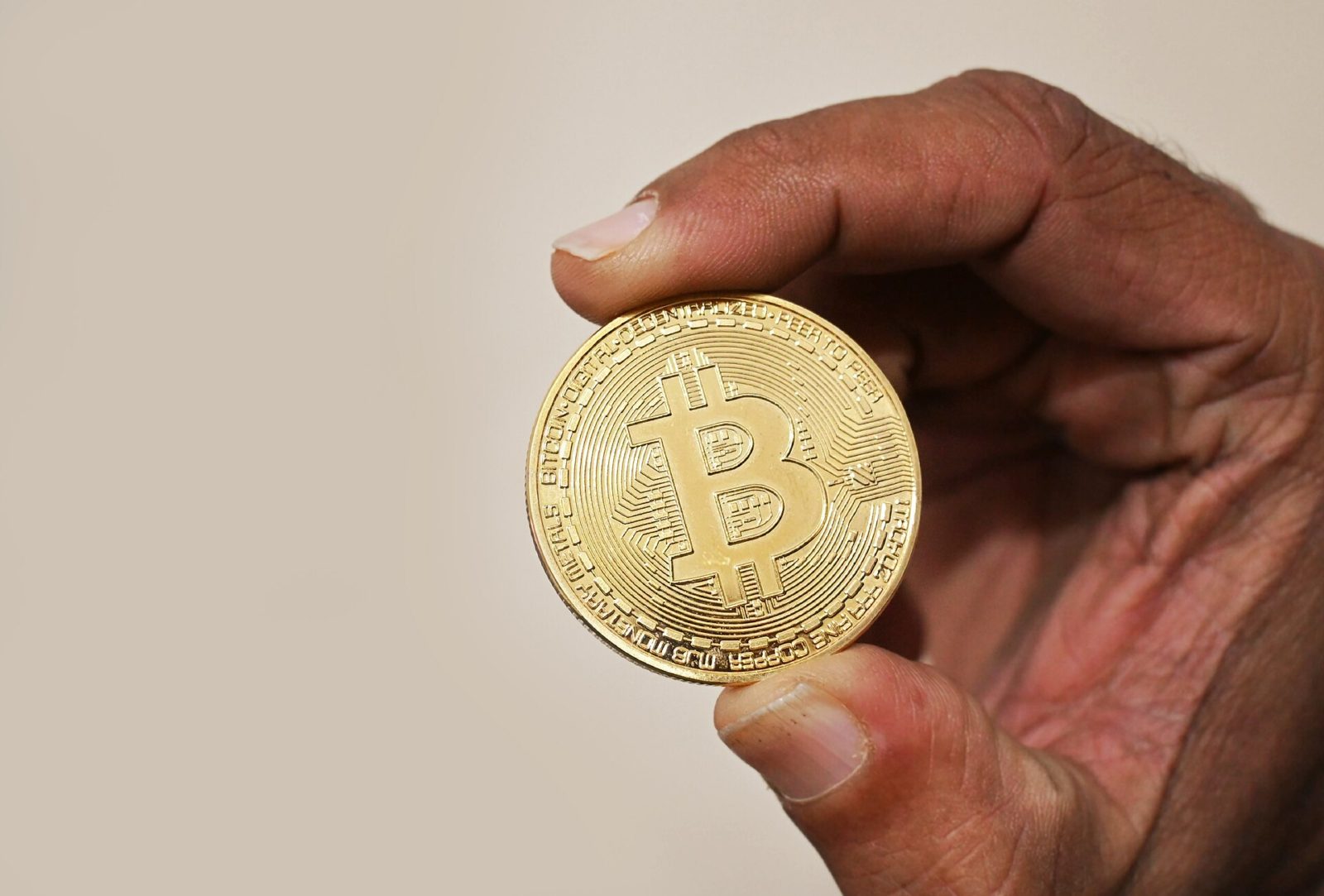
Americans filed 13,460 complaints about crypto ATMs and kiosks with the FBI's Internet Crime Complaint Center (IC3) in 2025, reporting $389 million in losses. Complaints rose 23% on 2024 and losses rose 58%, according to the FBI's 2025 Internet Crime Report.
Older Americans lost the most. People 60 and over filed 6,188 of those complaints and reported losing $257,466,130, about two-thirds of the total.
The kiosks look like cash machines and sit in gas stations, convenience stores and other busy places. You feed in cash and it buys cryptocurrency, which is sent to a digital wallet. If that wallet belongs to a scammer, the money is gone.
Who's affected
The Federal Trade Commission says losses at these machines are "overwhelmingly about government impersonation, business impersonation, and tech support scams." In the first half of 2024, the median reported loss came to $10,000, and people 60 and over were more than three times as likely as younger adults to report a loss at one. In 2024, 33% of older adults who lost $10,000 or more to a business or government imposter said they paid in cryptocurrency, and most of those reports mentioned Bitcoin ATMs.
How the scam gets you to a kiosk
- A scare. A call, text or pop-up says your bank account has been hacked, your computer is infected, or you're wanted by the police.
- A rescue plan. The "bank fraud team," "tech support" or "officer" says the only way to protect your money is to withdraw cash.
- The machine. They tell you which kiosk to use, stay on the phone while you drive there, and text you a QR code to scan. The FTC says the cash then "goes straight into the scammer's wallet."
- Again. They may call back with a reason you need to deposit more.
A worked example
Say a caller from your "bank" says $8,000 is about to be stolen and you must move it to a "safe" account through a Bitcoin ATM. You withdraw $8,000 in cash and feed it into a kiosk using the code they sent. The machine sends the crypto to their wallet. Your bank never asked for this, and once a crypto transfer goes through, it's very hard to reverse. Next day, they call back: the "safe account" needs another $5,000 to clear. Now you're down $13,000.
Red flags
- Anyone who tells you to withdraw cash because of an unexpected call or message. The FTC says only scammers do that.
- Anyone who says you need a Bitcoin ATM to protect your money or fix a problem. The FTC says real businesses and government agencies never will.
- Someone who sends you a QR code to scan at a machine.
- Being told to stay on the line, keep it secret, or lie to your bank teller.
What to do now
- Hang up on anyone who mentions a crypto ATM, gift cards or moving money to keep it safe.
- Call your bank yourself, on the number on your card or a website or app you know is real.
- Tell a family member or someone you trust before you move any money.
- Talk to older relatives about this before the holidays. People 60 and over lost more than $257 million at these machines in 2025.
If you've already paid
- Contact the ATM operator right away. The FTC says to tell the exchange or ATM operator it was a fraudulent transaction and ask it to reverse it and refund you. Look for the operator's name and number on the machine or your receipt.
- Keep the receipt and any texts. The FBI asks for payment details such as crypto addresses when you report.
- Report it at ic3.gov and ReportFraud.ftc.gov, and to your local police. Include the wallet address, transaction ID, the scammer's numbers and any texts.
- Ignore "recovery" offers. The IC3 logged 10,516 recovery scam complaints in 2025, with $1.4 billion lost. Anyone who contacts you offering to get crypto back for a fee is likely another scammer.
Questions
Is every crypto ATM a scam? No. People use them to buy cryptocurrency for themselves. The red flag is being told to use one by someone who contacted you.
Can the police or the IRS ask me to pay in crypto? No. The FBI says officials never ask for payment by cryptocurrency, prepaid card or courier.
My bank teller asked why I wanted so much cash. Should I tell them? Yes, be honest. The FBI says scammers tell people not to talk to their bank, so a caller who tells you to lie to your teller is a giveaway.
Ways to save
Many of these scams start with a fake security pop-up. F-Secure sells Scam Protection software and offers a free Online Scanner and Link Checker. For the phone side, see our story on fake police and jury-duty calls, and for the pop-up side, tech support scams.
When you shop through Promo Magpie, part of the commission the shop pays us goes to the charity or club you pick. You pay the same price.
Sources: FBI IC3 2025 Internet Crime Report, FTC Data Spotlight, September 3, 2024, FTC Data Spotlight, August 7, 2025, FTC consumer alert: Bitcoin ATMs, FTC: what to do if you were scammed (June 2026), FBI IC3 public service announcement, September 17, 2026, F-Secure, checked November 8, 2026
More on your rights when you shop
- Gave your number for a Black Friday discount? Texts must stop within 10 business days
- Smart toy or app for a child under 13? The COPPA rights parents have, and 2026's changes
- Return refused by a store's fraud check? Ask for the free report behind it within 60 days
- Error on your credit report? Check it free every week, and use the 30-day dispute rule
The Thursday email
Every Thursday: the best codes from the brands you shop at. After you sign up, pick your brands and whether you want codes, hot deals, free delivery or student offers. No spam, unsubscribe in one click.
Keep reading
Thanking your mail carrier this holiday season: the $20 gift rule, and why cash is out
Federal ethics rules let your mail carrier accept a gift worth up to $20 per occasion, and $50 a year from any one person. Cash and Visa-style gift cards aren't allowed at all. Here's what you can give, and how UPS, FedEx and Amazon drivers differ.
 Mike Dodd
Fake police and jury-duty calls: FBI counts over $1.6 billion lost since January 2025
Callers posing as police, the FBI, the courts or the FTC say you're in trouble and must pay to fix it. The FBI logged nearly 61,000 complaints in 19 months. Here's how the calls go, the red flags, and what to do if you've paid.
Mike Dodd
Heating oil at $6.138 a gallon on Nov 2: what this winter's heating bills could cost you
Homes heated with oil face the biggest jump this winter, while gas and propane users may pay a little less, the EIA says. Here are the forecasts by fuel, a worked example, where to get help paying, and the shut-off scam to hang up on.
Mike Dodd