
Thanking your mail carrier this holiday season: the $20 gift rule, and why cash is out
Federal ethics rules let your mail carrier accept a gift worth up to $20 per occasion, and $50 a year from any one person. Cash and Visa-style gift cards aren't allowed at all. Here's what you can give, and how UPS, FedEx and Amazon drivers differ.
50% of our commission goes to the charity or club you pick.Change
Pick a charity and we'll give them 50% of our commission.
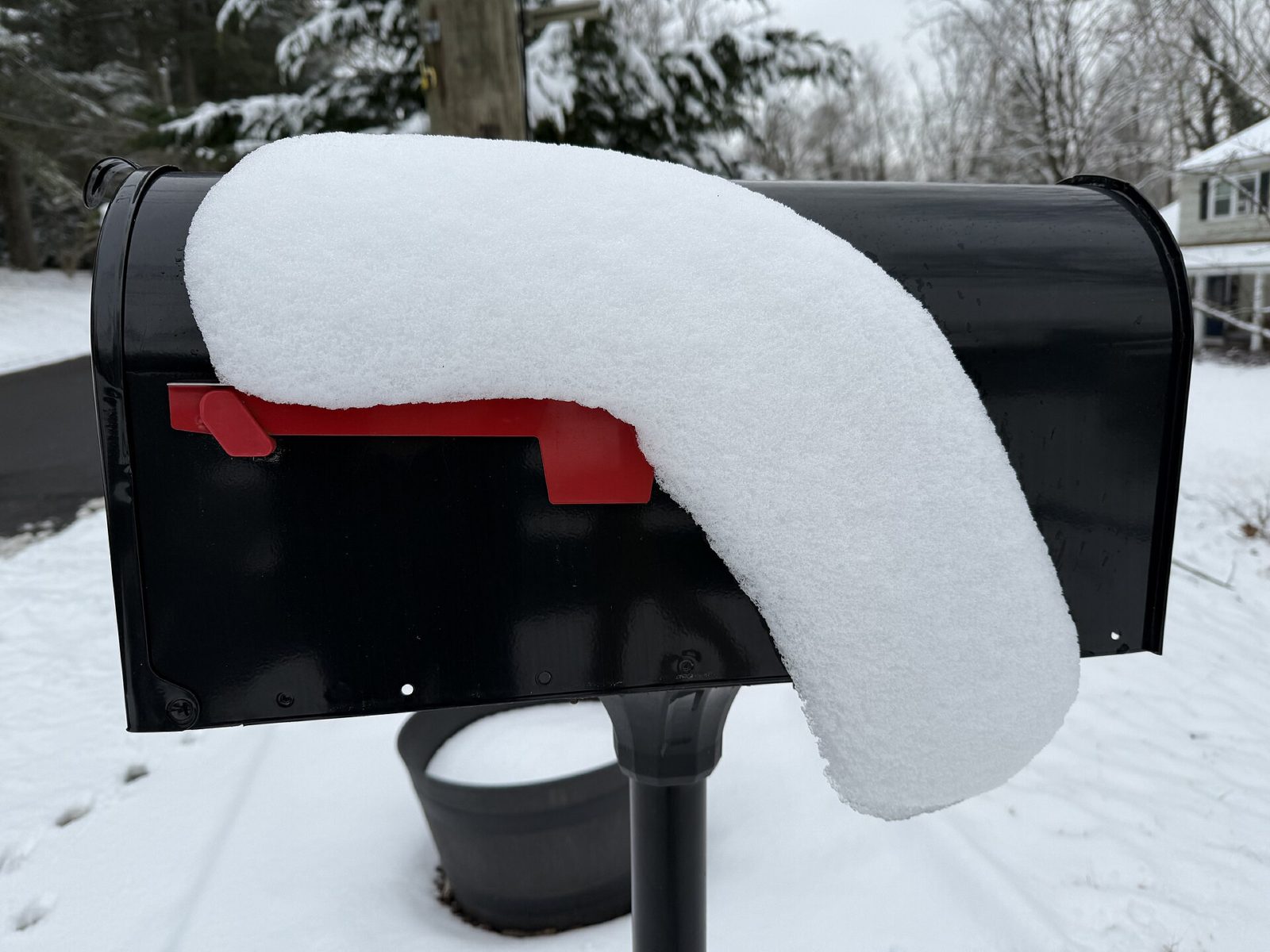
Many people like to thank the person who brings their mail. But letter carriers work for the US Postal Service, and federal ethics rules limit what they can accept. The headline number is $20: that's the most a gift can be worth on any one occasion, and cash is never allowed, even a few dollars.
We read the rules on November 8, 2026.
What the rules say
Postal Service employees are covered by the Standards of Ethical Conduct for Employees of the Executive Branch, which the Postal Service adds to with its own rules in 5 CFR part 7001. The gift rule is in 5 CFR 2635.204(a):
- Up to $20 per occasion. An employee may accept unsolicited gifts with a total market value of $20 or less "per source per occasion". So a holiday gift can be worth up to $20.
- Up to $50 a year. Gifts from any one person under this rule can't add up to more than $50 in a calendar year.
- No cash. The exception "does not apply to gifts of cash or of investment interests such as stock, bonds, or certificates of deposit."
- No topping up. If a gift is worth more than $20, the carrier can't pay the difference to keep it.
The Office of Government Ethics, which issues these rules, has applied them to a letter carrier before. In a 1997 opinion, it said the rules barred a Postal Service employee from accepting a $10 cash Christmas gift from a customer on their route.
Gift cards: store cards yes, Visa-style cards no
The rules include an example that settles the gift card question. A $15 store gift card to a national coffee chain can be accepted, because it's worth less than $20. But a gift card "issued by a credit card company or other financial institution" can't, "because such a card is equivalent to a gift of cash."
The Postal Service's own ethics FAQ agrees: no cash, checks, money orders or Visa or American Express gift cards, and no store card over $20. A greeting card, a store card of $20 or less and modest food are fine.
So a $10 or $15 card for a coffee shop, a sandwich chain or a single store is fine. A prepaid Visa, Mastercard or American Express gift card isn't, whatever its value.
A worked example
The Lee family wants to thank their carrier. Under the rules:
- A $15 gift card for a coffee chain at the holidays is allowed.
- If they also give a $20 gift card at another time in the year, the total from them is $35, within the $50 yearly limit.
- A $25 prepaid Visa card isn't allowed, and nor is a $5 bill tucked into a card.
What about UPS, FedEx and Amazon drivers?
The federal ethics rules only cover government employees, including Postal Service staff. Drivers for UPS, FedEx and Amazon work for private companies, or for contractors, so it's up to their employer. We couldn't find a customer tipping policy published on UPS's or FedEx's websites. A small gift or a note is the safest choice, and the driver can always say no.
Amazon ran a "Thank My Driver" promotion last year. From December 3, 2025, customers who said "Alexa, thank my driver" or typed "thank my driver" on Amazon's site or app earned the driver of their most recent delivery $5, at no cost to them, for the first 2 million thank-yous. The 2 million ran out in eight days, Amazon said, and the promotion ended on December 31, 2025. We hadn't seen an announcement for 2026 when we checked on November 8.
What to do now
- Keep it to $20 or less for your mail carrier on any one occasion, counting everything you give together.
- Skip cash, checks and prepaid Visa, Mastercard or Amex cards. They count as cash.
- Choose a single-store gift card or a small treat instead, such as a coffee card or homemade cookies.
- Keep track if you give more than once a year: the limit from one person is $50 a calendar year.
- Write a note. It costs nothing and breaks no rules.
Questions
Can my mail carrier accept a $20 gift card? Yes, if it's for a single store or restaurant and it's the only gift on that occasion. A prepaid card from a card network or bank isn't allowed at any value.
What if my carrier is a friend or relative? The rules have a separate exception for gifts clearly given because of a family relationship or personal friendship, rather than because of the person's job.
Small gifts that fit the rule
For ideas that come in under $20, see our holiday gifts under $25, with finger puppets at $8.95 and book-inspired candles at $16.95.
When you shop through Promo Magpie, part of the commission the shop pays us goes to the charity or club you pick. You pay the same price.
Sources: 5 CFR 2635.204, gifts of $20 or less, via govinfo.gov, November 8, 2026, 5 CFR 7001.101, Postal Service supplemental standards, via govinfo.gov, November 8, 2026, Office of Government Ethics: proposed gift of cash to letter carrier, January 13, 1997, USPS: ethics FAQs, checked November 8, 2026, Amazon Flex: Thank My Driver 2025
More on your rights when you shop
- Gave your number for a Black Friday discount? Texts must stop within 10 business days
- Smart toy or app for a child under 13? The COPPA rights parents have, and 2026's changes
- Return refused by a store's fraud check? Ask for the free report behind it within 60 days
- Error on your credit report? Check it free every week, and use the 30-day dispute rule
The Thursday email
Every Thursday: the best codes from the brands you shop at. After you sign up, pick your brands and whether you want codes, hot deals, free delivery or student offers. No spam, unsubscribe in one click.
Keep reading

Bitcoin ATM scams cost $389 million in 2025: why no real bank or agency asks for crypto
Losses at crypto ATMs rose 58% in 2025, FBI figures show, and people 60 and over lost two-thirds of the money. Here's how scammers get you to a kiosk, how to spot it, and what to do straight away if you've paid.
 Mike Dodd

Fake police and jury-duty calls: FBI counts over $1.6 billion lost since January 2025
Callers posing as police, the FBI, the courts or the FTC say you're in trouble and must pay to fix it. The FBI logged nearly 61,000 complaints in 19 months. Here's how the calls go, the red flags, and what to do if you've paid.
Mike Dodd
Heating oil at $6.138 a gallon on Nov 2: what this winter's heating bills could cost you
Homes heated with oil face the biggest jump this winter, while gas and propane users may pay a little less, the EIA says. Here are the forecasts by fuel, a worked example, where to get help paying, and the shut-off scam to hang up on.
Mike Dodd