Heating oil at $6.138 a gallon on Nov 2: what this winter's heating bills could cost you
Homes heated with oil face the biggest jump this winter, while gas and propane users may pay a little less, the EIA says. Here are the forecasts by fuel, a worked example, where to get help paying, and the shut-off scam to hang up on.
50% of our commission goes to the charity or club you pick.Change
Pick a charity and we'll give them 50% of our commission.
What's happened
Residential heating oil averaged $6.138 a gallon in the U.S. Energy Information Administration's (EIA) weekly survey for November 2, 2026. That's $2.506 more than a year earlier. Residential propane averaged $2.820 a gallon, 37.5 cents higher than a year ago.
The EIA's Winter Fuels Outlook, published October 6, said heating oil prices were up more than 30% on last winter. It pointed to higher global crude oil and distillate prices, with oil flows from the Middle East still constrained and U.S. distillate stocks low going into winter. It said most homes would see smaller changes. The figures in this story come from that October 6 outlook. The EIA's next Short-Term Energy Outlook was scheduled for November 10 and may have revised them, so check its Winter Fuels Outlook page for the latest numbers.
What the EIA expects you to spend, November to March
| Main heating fuel | Average spend this winter | Change on last winter |
|---|---|---|
| Natural gas | $640 | 9% lower |
| Electricity | $1,196 | 4% higher |
| Propane | $1,246 | 3% lower |
| Heating oil | $2,115 | 21% higher |
These are national averages from the October 6 outlook. They cover the main heating fuel, which many homes also use for hot water or cooking.
Who's affected
Natural gas was the main heating fuel in 46% of U.S. homes in 2024, according to Census data the EIA cites. About 3% of households heat mainly with oil, mostly in the Northeast, and they face the largest rise. The EIA expects a milder winter than last year in the Northeast and a much colder one in the West, where it forecasts electricity spending up 9%. It also notes a strong El Niño pattern this winter, which could make temperatures swing well away from its forecast.
A worked example
The EIA expects the average oil-heated home to burn 402 gallons this winter, at an average forecast price of $5.26 a gallon. That's where the $2,115 comes from.
If you pay the November 2 price of $6.138 for all 402 gallons instead, the bill is 402 x $6.138 = $2,467.48. That's $352.48 more than the EIA's forecast. The forecast assumes prices ease through the winter, from $5.79 a gallon in November to $4.84 in March. If they don't, oil-heated homes will pay more than the average.
For gas, the $640 average works out at $128 a month over five months, but the EIA expects January alone to cost $146. A budget billing plan, if your utility offers one, spreads the cost more evenly.
What to do now
- Ask about budget billing. Ask your utility or fuel dealer whether it offers equal monthly payments, which smooth out January.
- Apply for LIHEAP early. The Low Income Home Energy Assistance Program helps pay heating bills and covers emergencies. Each state sets its own income limits. Find your office through USA.gov or the LIHEAP Clearinghouse.
- Check weatherization help. The Weatherization Assistance Program pays for energy-saving repairs for eligible homes. Contact your state's WAP office.
- Know your state's shut-off rules. Each state sets when utilities can disconnect for non-payment, and some depend on the weather, your age or a disability.
- Seal drafts. Weatherstripping and door draft stoppers are simple fixes before the coldest months.
The shut-off scam to hang up on
Higher bills bring scam calls. The FTC says that if someone claiming to be your gas, electric or water company threatens to cut you off unless you pay, it's a scam. Real utilities "won't demand immediate payment to avoid same-day disconnection." Scammers ask you to pay by wire, cryptocurrency, payment app or gift card, and your utility won't ask for any of those.
- Hang up, and don't click links in texts or emails.
- Call your utility on the number on your bill or its real website. Scroll past paid search ads to find it.
- Don't let anyone pushing for payment into your home.
- Report it to your utility, at ReportFraud.ftc.gov and to your state attorney general.
Questions
Will gas prices at the pump help? A little. AAA's national average for regular stood at $4.0203 on November 8, down from $4.3612 a month earlier, but up from $3.0731 a year ago.
Should I switch to a space heater? Only to warm one room. Our space heater running costs guide does the sums.
When will the forecasts change? The EIA updates them monthly with its Short-Term Energy Outlook. Its weekly heating oil and propane prices are also updated through the heating season, so the November 2 figures above will have been followed by newer ones.
Ways to save
Turning the thermostat down is easier in warm layers. Heat Holders thermal socks had 20% off in its End of Season Sale on November 8, with free shipping on orders of $25 or more. Weatherstripping and draft stoppers are sold on Amazon.
When you shop through Promo Magpie, part of the commission the shop pays us goes to the charity or club you pick. You pay the same price.
Sources: EIA Heating Oil and Propane Update, November 2, 2026, EIA Winter Fuels Outlook 2026 to 2027, October 6, 2026, EIA Short-Term Energy Outlook, October 2026, USA.gov: help with energy bills, FTC: scammers pretend to be your utility company (June 2026), AAA gas prices, November 8, 2026, Heat Holders, checked November 8, 2026
More on your rights when you shop
- Return refused by a store's fraud check? Ask for the free report behind it within 60 days
- Error on your credit report? Check it free every week, and use the 30-day dispute rule
- Buying a car at a year-end sale? 6 pricing tricks the FTC warned 97 dealer groups about
- Sale item sold out? Rain checks, bait-and-switch rules, and Target's 30 to 45 days
The Thursday email
Every Thursday: the best codes from the brands you shop at. After you sign up, pick your brands and whether you want codes, hot deals, free delivery or student offers. No spam, unsubscribe in one click.
Keep reading
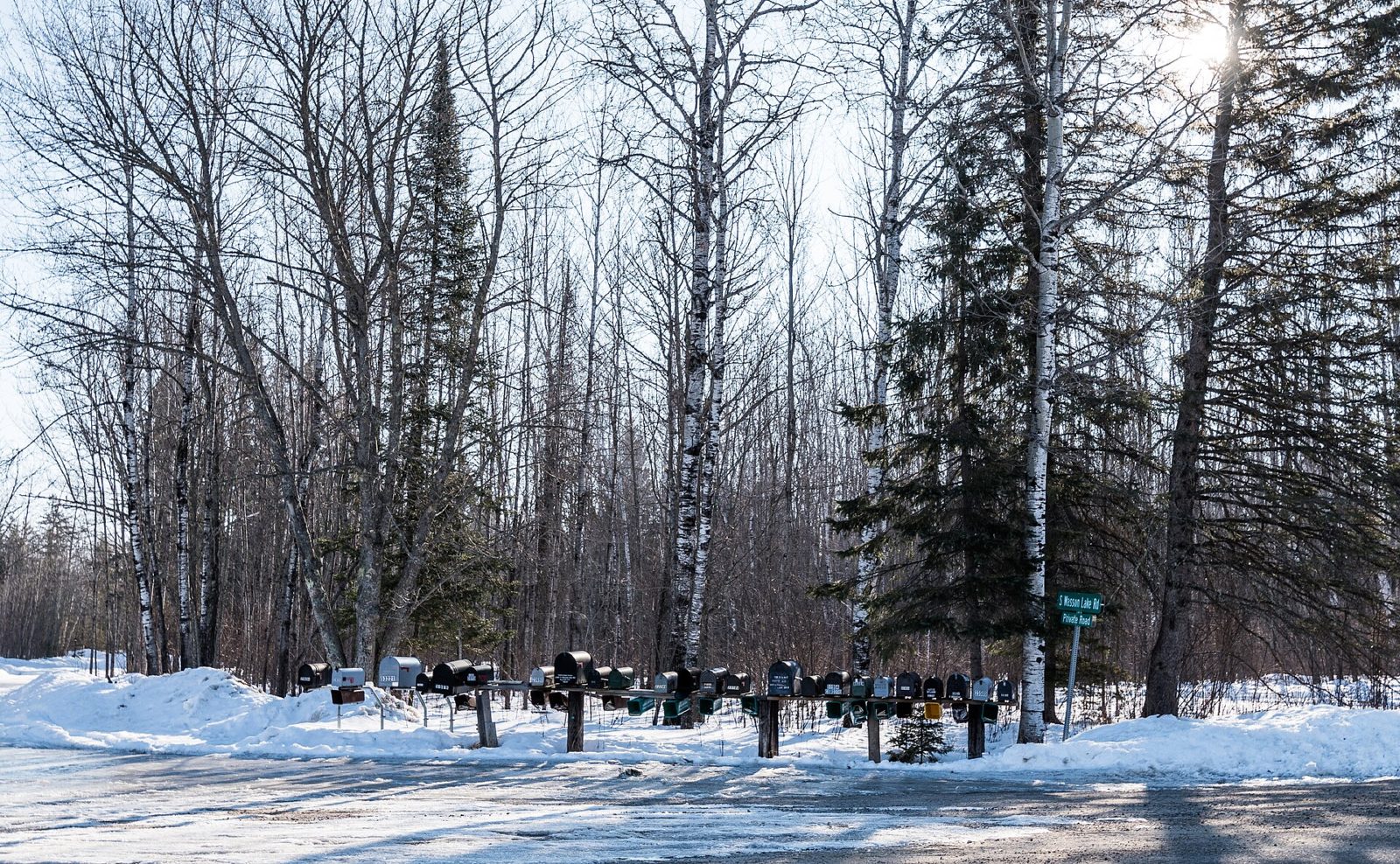
Check fraud rose 385% after the pandemic: how to mail a check in a holiday card safely
Thieves steal checks from mailboxes, wash off the ink and rewrite them. Postal inspectors say holiday mail gives them more chances. Here's how to send money safely, what to check on your statement, and who to call if it happens.
 Mike Dodd
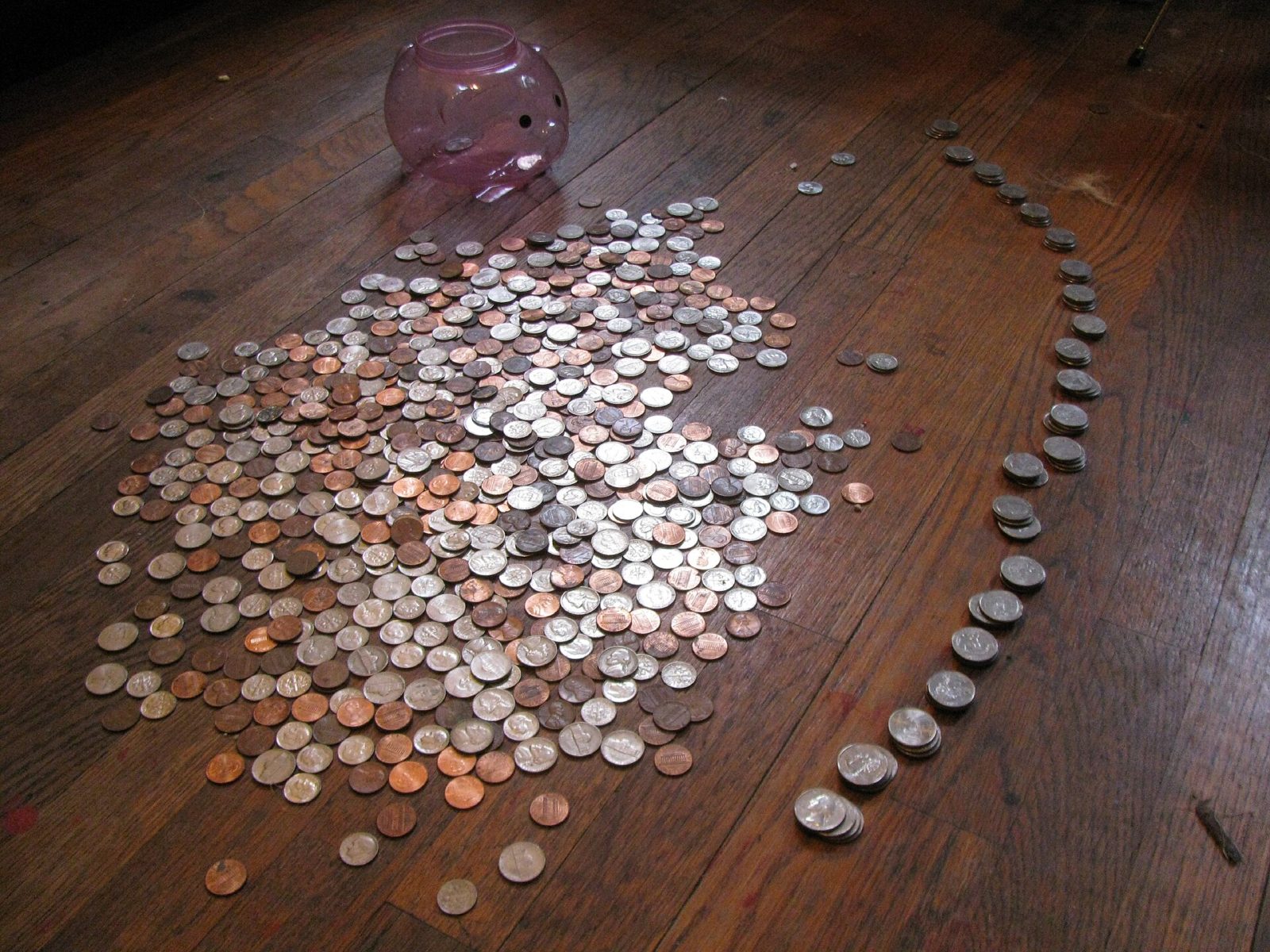
Savings rates now: 3.20% to 3.75% at Ally, Marcus, Capital One, Amex, Barclays and CIT
The national average savings rate is 0.38%. Big online banks paid 3.20% to 3.75% when we checked on November 8. Here's what $10,000 earns at each, the catches, and where to park holiday cash for a few weeks.
Mike Dodd
Tech support scams took over $2.1 billion in 2025: fake pop-ups and help lines to avoid
FBI figures put tech and customer support scams behind only investment fraud and business email scams for losses in 2025. With holiday orders on the way, here's how fake help lines find you, and what to do if you've let one in.
Mike Dodd