
Signed up at your door or a pop-up event? The FTC rule that gives you 3 days to cancel
The FTC's Cooling-Off Rule lets you cancel many sales made at home, at work or at temporary venues like hotels and fairgrounds, for a full refund. Here's what's covered, what isn't, and how to cancel in time.

50% of our commission goes to .Change
Pick a charity and we'll give them 50% of our commission.
What's happened
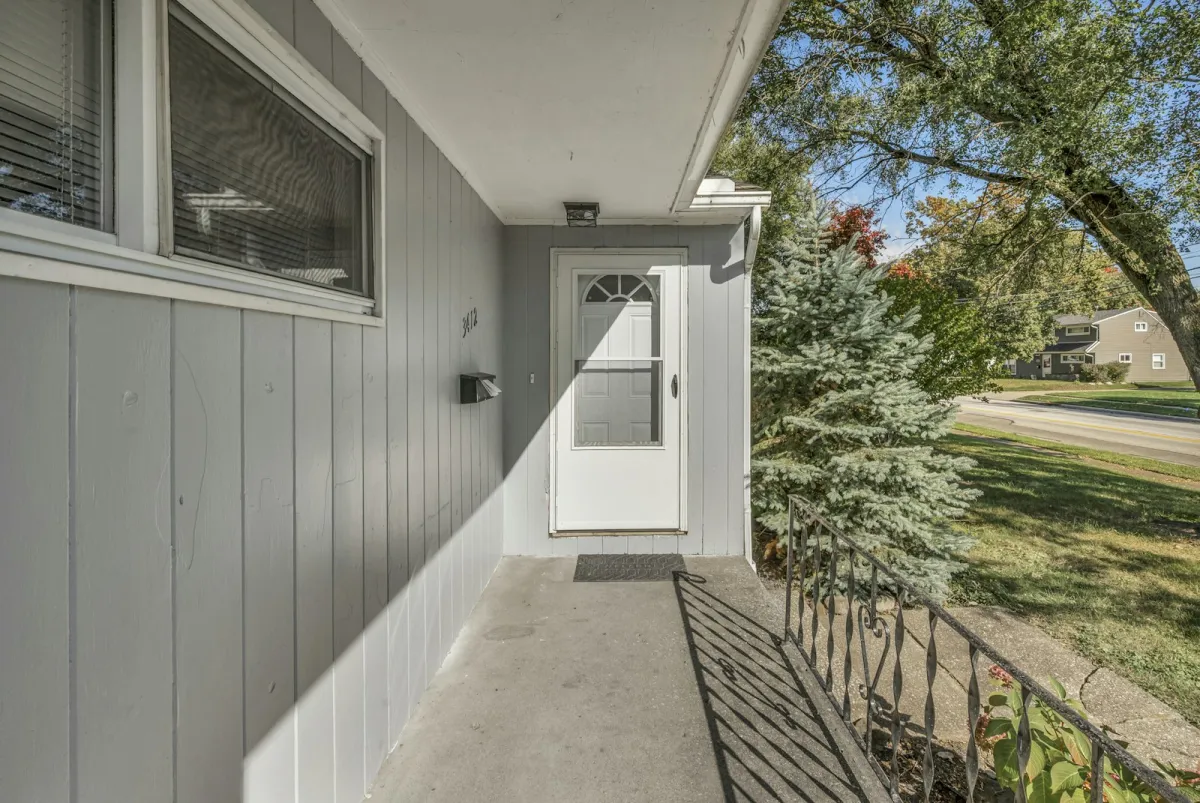
The holiday season brings more door-to-door sellers and more pop-up sales at hotels, convention centers and fairgrounds. If you buy something in one of those places and regret it, a federal rule may let you back out.
The Federal Trade Commission's Cooling-Off Rule gives you until midnight of the third business day after the sale to cancel, for a full refund. You don't have to give a reason. The rule is set out in 16 CFR part 429, and the FTC's consumer guide to it was last updated in September 2025.
Who's affected
The rule covers sales made at your home, workplace or dormitory, or at a seller's temporary location, such as a hotel or motel room, convention center, fairground or restaurant. It applies even if you invited the salesperson to your home. It covers sales of $25 or more made at your home, and $130 or more made at temporary locations.
It does not cover:
- sales made entirely online, by mail or by phone
- sales completed at the seller's permanent store or office
- goods or services not mainly for personal, family or household use (training courses are still covered)
- sales needed to meet an emergency
- repairs or maintenance you asked for, although anything extra the seller sells you on that visit is covered
- real estate, insurance or securities
- cars, vans, trucks and other vehicles sold at temporary locations, if the seller has a permanent place of business
- arts or crafts sold at fairs, malls, civic centers or schools
What the rule says
- The seller must tell you about your right to cancel at the time of sale, and give you two copies of a cancellation form and a dated copy of your contract or receipt, with the seller's name and address.
- The paperwork must be in the same language as the sales pitch.
- Business days include Saturdays, but not Sundays or federal holidays.
- After you cancel, the seller has 10 business days to cancel and return any papers you signed, refund your money, return any trade-in, and tell you whether it will collect any goods you have.
- Within 20 days, the seller must pick up the goods or pay your mailing costs if you send them back. You need to keep them in as good condition as when you got them.
A worked example
This is an illustration, not a real case.
Chris buys a $1,400 water filter system from a salesperson in his living room on Monday, November 9, 2026. The next day he finds a similar system for much less. Tuesday, November 10 is business day one. Wednesday, November 11 is Veterans Day, a federal holiday, so it doesn't count. Thursday, November 12 is day two, and Friday, November 13 is day three.
So Chris has until midnight on Friday, November 13 to cancel. He signs and dates one copy of the cancellation form and mails it on Thursday by certified mail. The seller then has 10 business days to refund his $1,400 and tell him whether it'll collect the system.
If Chris had bought the same system at the seller's permanent showroom, the rule wouldn't apply, and he'd have to rely on the store's own return policy.
What to do now
- Ask for the cancellation forms before you sign anything at your door or at a pop-up event. If the seller won't give them, that's a warning sign.
- Count the days carefully. Skip Sundays and federal holidays, including Veterans Day (November 11) and Thanksgiving (November 26).
- Cancel in writing. Sign and date one cancellation form and mail it to the address given. The envelope must be postmarked before midnight of the third business day.
- No form? Write a letter saying you're canceling, and get it postmarked within three business days.
- Use certified mail with a return receipt, and keep a copy of everything you send.
- Report problems to the FTC at ReportFraud.ftc.gov, or to your state attorney general.
FAQs
Does the rule cover things I buy online?
No. Sales made entirely online, by mail or by phone aren't covered. For those, the store's return policy decides, and our guide to holiday return deadlines covers the big stores.
Can a salesperson ask me to give up my right to cancel?
Only in a genuine personal emergency that you contacted them about, and then you must give a separate, dated statement in your own handwriting waiving the right.
What if the seller never told me I could cancel?
The seller was required to. Cancel in writing anyway, keep proof of when you sent it, and report the seller to the FTC or your state attorney general.
Sources: FTC: Buyer's remorse, the FTC's Cooling-Off Rule may help, 16 CFR 429.0: definitions, 16 CFR 429.1: the rule
More on your rights when you shop
- Thanksgiving flight canceled or changed? Your right to an automatic cash refund
- Bought early and the price dropped? Which big stores refund the difference
- Credit freezes and fraud alerts are free: how to set them up before holiday shopping
- Buying used toys, cribs or gadgets? How to check for recalls first
The Thursday email
Every Thursday: the best codes from the brands you shop at. After you sign up, pick your brands and whether you want codes, hot deals, free delivery or student offers. No spam, unsubscribe in one click.
Keep reading
Thanksgiving flight canceled or changed? Your right to an automatic cash refund
Federal rules say airlines must refund you in cash, without being asked, if your flight is canceled or significantly changed and you don't take the alternative. Here's what counts, what's changed in 2026, and how to claim.
 Mike Dodd

Bought early and the price dropped? Which big stores refund the difference
Target, Best Buy and Costco will refund the difference if their own price falls soon after you buy. Walmart.com and Amazon generally won't. None of it is a legal right, so here's how each policy works before Black Friday.
Mike Dodd
Credit freezes and fraud alerts are free: how to set them up before holiday shopping
A credit freeze stops thieves opening accounts in your name, costs nothing and can be lifted in an hour. Here's how to place one at Equifax, Experian and TransUnion, and how to freeze a child's credit.
Mike Dodd