








































FTC refund checks: $9.8 million from Walmart case is real. The "FTC agent" calling isn't
The FTC is mailing 65,022 checks worth $9.8 million in the Walmart money transfer case and $4.4 million more to Publishers Clearing House customers. Here's how to tell a real refund from the impostors it warned about on November 12.

50% of our commission goes to the charity or club you pick.Change
Pick a charity and we'll give them 50% of our commission.
What's happened
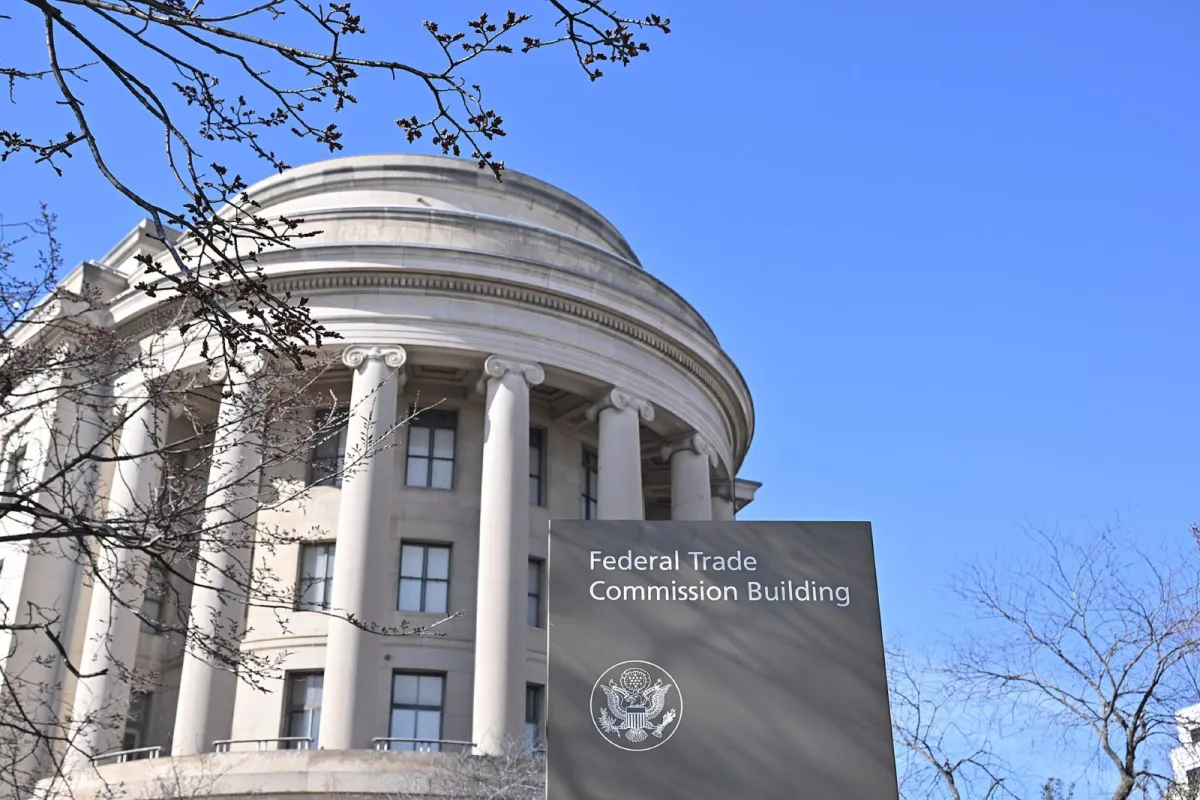
Real refund checks from the Federal Trade Commission are in the mail this fall. In October the FTC began sending 65,022 checks worth more than $9.8 million to people who lost money through Walmart's in-store money transfer services. In November it started a second round for Publishers Clearing House customers: 204,408 checks worth more than $4.4 million.
That's good news if you're owed money. It's also exactly when FTC impostors get busy. On November 12 the FTC warned about fake FTC websites and callers posing as FTC "agents." It said it got more than 1 million reports about imposter scams last year, with reported losses of $3.5 billion, and has demanded the removal of more than 30 FTC imposter websites since its Impersonation Rule took effect in April 2024.
How to tell a real FTC refund from a fake
- You never pay to get a refund. The FTC says it "never asks you to pay to get a refund." It also says it will never threaten you, tell you to transfer money to "get a refund," or promise you a prize.
- Real refunds come as checks in these two cases, and the FTC asks you to cash them within 90 days.
- Real refunds have a named administrator. Rust Consulting runs the Walmart program. The FTC lists each administrator's phone number on its own refund pages: 1-833-472-1990 for Walmart and 1-888-516-0774 for Publishers Clearing House.
- Real FTC sites end in .gov. Fakes may end in .com, .org, .us or .online, and copy the FTC's name, logo and design.
The scams to watch for
The FTC describes a call it warned about on October 22. The caller says they're from the FTC and that a phone number in your name is being used for scams abroad. They read out a fake badge number, pass you to a fake police officer, then claim you're about to be arrested unless you pay a "security deposit." They tell you to keep it secret.
Others pose as FTC agents who'll help you "protect" your money. The FTC is blunt: a real FTC employee "will never say you have to 'protect' your money by transferring it or giving someone cash."
Who's affected
The Walmart checks go to people who made qualifying money transfers at Walmart from January 2015 through December 2024. The Publishers Clearing House checks go to customers who accepted their first payment. But FTC impostors call anyone, refund or not.
A worked example
The Walmart refunds work out to at least $150 a check on average (more than $9.8 million / 65,022). The Publishers Clearing House round averages at least $21 (more than $4.4 million / 204,408).
Now picture a caller saying you're owed a $150 refund, but there's a $50 "processing fee" first. Pay it and you're down $50 with no refund coming. Worse, if you give bank details "for the deposit," you could lose far more. A real refund check costs you nothing.
What to do now
- Check the FTC's refund list yourself. Go to ftc.gov and look under Enforcement, then Refunds, to see which programs are paying.
- Call the administrator, not the caller. Use the phone number on the FTC's own refund page for that case.
- Never pay a fee or move money. No FTC refund needs a payment, a gift card, a wire or a crypto transfer.
- Check the web address. Before you type anything into a site that says it's the FTC, make sure it ends in .gov.
- Cash a real check promptly. The FTC asks you to cash it within 90 days.
- Report impostors. Tell the FTC at ReportFraud.ftc.gov.
Questions
Will the FTC call me about a refund? Be wary of any call. The FTC says real employees will never threaten to disconnect your phone, ask you to keep a conversation secret, or text you a photo of their ID.
I got a check but didn't expect one. Is it real? Look up the case on the FTC's refund page and call the administrator number listed there to check.
Someone said they're FTC and asked for cash to protect my savings. That's a scam. Hang up and report it. Our story on fake police and jury-duty calls covers similar government impostors.
Ways to save
Fake sites rely on you landing on them by accident. Malwarebytes Browser Guard is a free browser extension for Chrome, Firefox, Edge and Safari that flags suspicious sites and blocks phishing attempts (checked November 15, 2026).
When you shop through Promo Magpie, part of the commission the shop pays us goes to the charity or club you pick. You pay the same price.
Sources: FTC Walmart refunds, October 2026, FTC Publishers Clearing House refunds, November 2026, FTC refunds list, checked November 15, 2026, FTC consumer alert, November 12, 2026, FTC consumer alert, October 22, 2026, Malwarebytes Browser Guard, checked November 15, 2026
More on your rights when you shop
- Store gone bankrupt? Use gift cards fast: deposit priority is capped at $3,800
- No heat in your rental? NYC requires 68°F by day, and some states pause winter shutoffs
- Holiday job? Over 40 hours a week means time and a half, but no federal holiday premium
- Store card "no interest if paid in full"? Miss by $1 and you pay all the interest
The Thursday email
Every Thursday: the best codes from the brands you shop at. After you sign up, pick your brands and whether you want codes, hot deals, free delivery or student offers. No spam, unsubscribe in one click.
Keep reading
SIM swap scams cost $17.4 million in 2025: lock your phone number before the holidays
A SIM swap hands your phone number, and your bank's text codes, to a thief. The FBI logged 971 complaints and $17.4 million lost in 2025, about $17,885 each. The free carrier locks and app-based codes that stop it.
 Mike Dodd

Fake airline help lines before Thanksgiving: fake support scams cost $2.1 billion in 2025
Scammers watch for travelers posting about delays and pay for search ads with fake airline numbers. The FBI logged $2.1 billion in fake support losses in 2025. Save the real number before you fly.
Mike Dodd
Mortgage rates at 7.11%: lock now or wait for the Fed? A $350,000 loan worked out
The 30-year average fell to 7.11%, a seven-week low, but bond yields jumped after October's inflation figures. On a $350,000 loan a quarter point is worth $59 a month. Here's how to lock smartly before the Fed's December 9 decision.
Mike Dodd