









































SIM swap scams cost $17.4 million in 2025: lock your phone number before the holidays
A SIM swap hands your phone number, and your bank's text codes, to a thief. The FBI logged 971 complaints and $17.4 million lost in 2025, about $17,885 each. The free carrier locks and app-based codes that stop it.

50% of our commission goes to the charity or club you pick.Change
Pick a charity and we'll give them 50% of our commission.
What's happened
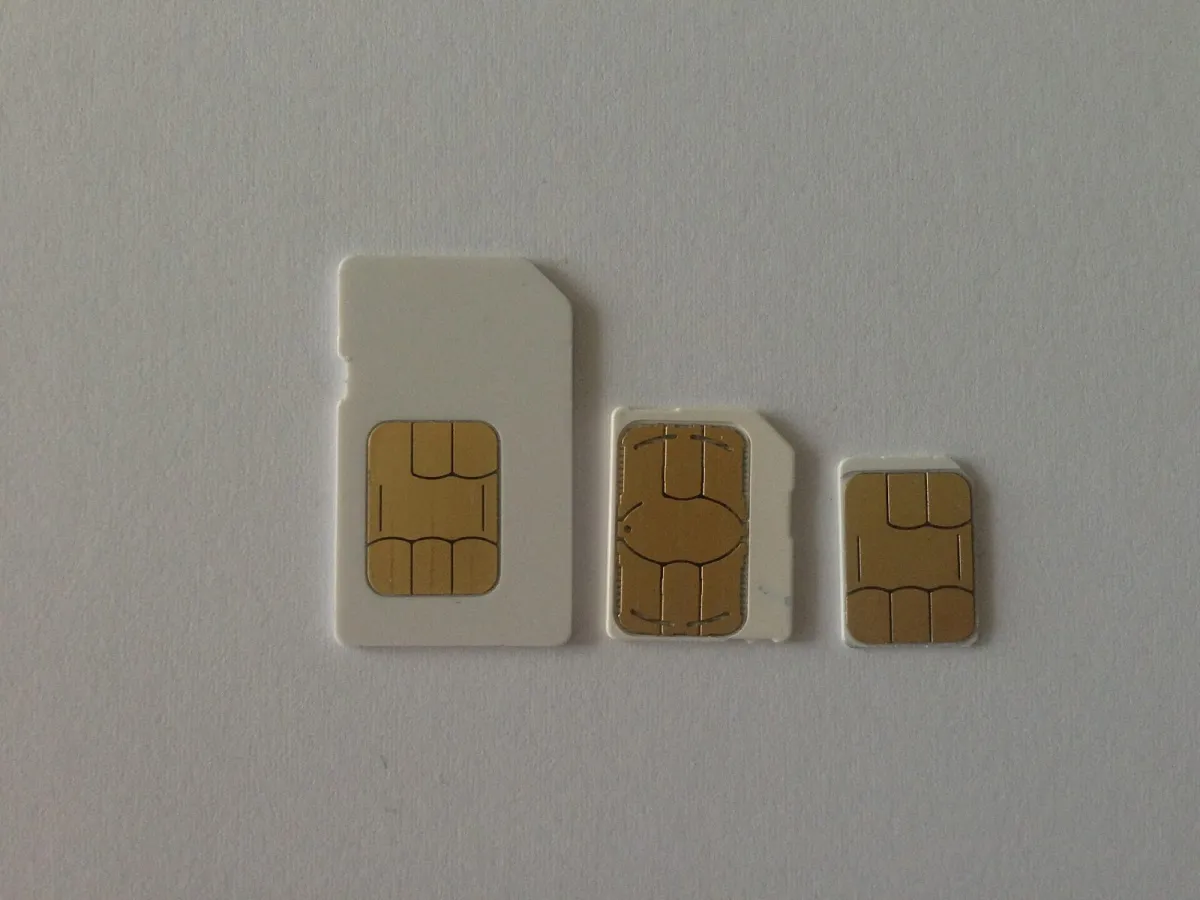
Your phone suddenly shows "No service." It isn't a dead zone. Someone has persuaded your carrier to move your number to their SIM card, and now your calls and texts, including the codes your bank sends, go to them.
That's a SIM swap. The FBI's 2025 Internet Crime Report logged 971 SIM swap complaints with losses of $17,366,758. That works out to about $17,885 per complaint.
The count is down from the 1,611 complaints and more than $68 million in losses the FBI reported for 2021. But the damage per victim is still high, because a stolen number can open your bank, email and crypto accounts in one go. And with holiday shopping putting more card alerts and one-time codes on your phone, now's a good time to lock it down.
How it works
The FBI describes three ways criminals do it:
- Social engineering. They pose as you and talk the carrier into moving your number. The FTC says they may claim your phone was lost or damaged.
- Insiders. They pay a carrier employee to make the switch.
- Phishing. They trick carrier staff into installing malware that lets them into the carrier's systems.
Once they have your number, they request password resets and use the text-message codes to take over your accounts. Details you've posted online, like your address or phone number, help them answer security questions.
Who's affected
Anyone who gets login codes by text. People who talk publicly about crypto holdings are a favorite target, the FBI says, but a checking account with your holiday budget in it is worth stealing too.
A worked example
Say a thief swaps your number on a Friday night. Your bank lets you reset a password with a texted code, so within minutes they're in. If you don't notice until Saturday morning, that's hours of access to your email too, where they can reset everything else.
Now compare the cost of prevention. AT&T's account lock is free, and Verizon's locks are a switch in its app. A password manager with a built-in authenticator, like Proton Pass Plus, is $23.88 for the first year. Against an average reported loss of about $17,885, that's an easy trade.
What to do now
- Turn on your carrier's lock. Verizon's SIM Protection "protects all or selected mobile numbers from unauthorized SIM or device changes," and its Number Lock stops unauthorized transfers. Both are in the My Verizon app under Security. AT&T's Wireless Account Lock is "a free security feature" in the AT&T app. Other carriers have their own versions, so ask yours.
- Set an account PIN or password with your carrier. The FTC says this can help block unauthorized changes.
- Move important logins off text codes. The FTC warns that "text message verification may not stop a SIM card swap." Use an authentication app or a security key for your bank and email where you can.
- Post less about yourself. Keep your phone number, address and any crypto holdings off public profiles.
- Never give a caller your PIN or codes. If someone says they're from your carrier, hang up and call the number on your bill.
Questions
What should I do first if it happens? Contact your carrier straight away to get your number back, the FBI and FTC both say. Then change your passwords and ask your bank to flag suspicious logins or transactions.
Will a lock get in my way? Sometimes. Verizon says changes stay blocked for 15 minutes after you turn SIM Protection off, so allow time before a phone upgrade.
Where do I report it? To the FBI at ic3.gov and your local police. If your personal details were used, IdentityTheft.gov has a recovery plan. A free credit freeze stops new accounts being opened in your name.
Ways to save
Proton's Pass Plus password manager has a built-in 2FA authenticator, so your login codes stay in an app rather than a text. It costs $1.99 a month on yearly billing, which is $23.88 for the first 12 months, then renews at $35.88 a year. Pass Family covers up to 6 users at $33.48 for the first year, then $59.88. There's also a free plan, without the authenticator (checked November 15, 2026).
When you shop through Promo Magpie, part of the commission the shop pays us goes to the charity or club you pick. You pay the same price.
Sources: FBI IC3 2025 Internet Crime Report, FBI IC3 public service announcement I-020822-PSA, February 8, 2022, FTC consumer alert, October 23, 2019, Verizon SIM Protection and Number Lock, checked November 15, 2026, AT&T Wireless Account Lock, checked November 15, 2026, Proton Pass pricing, checked November 15, 2026
More on your rights when you shop
- No heat in your rental? NYC requires 68°F by day, and some states pause winter shutoffs
- Holiday job? Over 40 hours a week means time and a half, but no federal holiday premium
- Store card "no interest if paid in full"? Miss by $1 and you pay all the interest
- Debit card stolen? Report it within 2 business days and your loss stops at $50
The Thursday email
Every Thursday: the best codes from the brands you shop at. After you sign up, pick your brands and whether you want codes, hot deals, free delivery or student offers. No spam, unsubscribe in one click.
Keep reading

Fake airline help lines before Thanksgiving: fake support scams cost $2.1 billion in 2025
Scammers watch for travelers posting about delays and pay for search ads with fake airline numbers. The FBI logged $2.1 billion in fake support losses in 2025. Save the real number before you fly.
 Mike Dodd

Mortgage rates at 7.11%: lock now or wait for the Fed? A $350,000 loan worked out
The 30-year average fell to 7.11%, a seven-week low, but bond yields jumped after October's inflation figures. On a $350,000 loan a quarter point is worth $59 a month. Here's how to lock smartly before the Fed's December 9 decision.
Mike Dodd
Fed minutes out today: why a December 9 rate rise is on the table, and what $40,000 costs
The Fed publishes its October minutes at 2 p.m. Eastern today. In September most officials expected one more rise this year, and two voted for one in October. Here's what to watch for, and what a quarter point would add to a HELOC or card.
Mike Dodd